The Thermostat Years: British Grass Botanicals and a Sane Menopause Skin Routine
Menopause is rarely a single, tidy event. Perimenopause can stretch across years, with hot flushes, disturbed sleep, changing periods and skin that suddenly seems to have read a different instruction manual. If you have found yourself standing in a Boots aisle wondering whether a barley grass serum can fix your face, you are not alone. The short answer is: it can help with comfort, but it cannot rewind the hormonal clock. The longer answer is worth reading before you spend your money.
What menopause actually does to the skin
Oestrogen has a hand in collagen production, elastin, hyaluronic acid, sebum and the general repair speed of the skin barrier. As levels fall, many people notice dryness, itching, a tighter feeling after washing, more sensitivity to products that used to be fine, and slower recovery from wind, cold and central heating. Skin can look thinner and feel more fragile. Hot flushes add another layer: a sudden wave of heat, flushing and sweating, followed by evaporation that can leave cheeks tight and clammy.
That said, not every skin change is down to menopause. Persistent redness, acne-like bumps, severe itching, hives or a rash that does not settle deserve proper attention. Rosacea, eczema, contact dermatitis, thyroid problems and some medications can all produce similar complaints. A good routine should support your skin, not disguise a problem that needs a GP or dermatologist.
Where British grass botanicals can earn a place
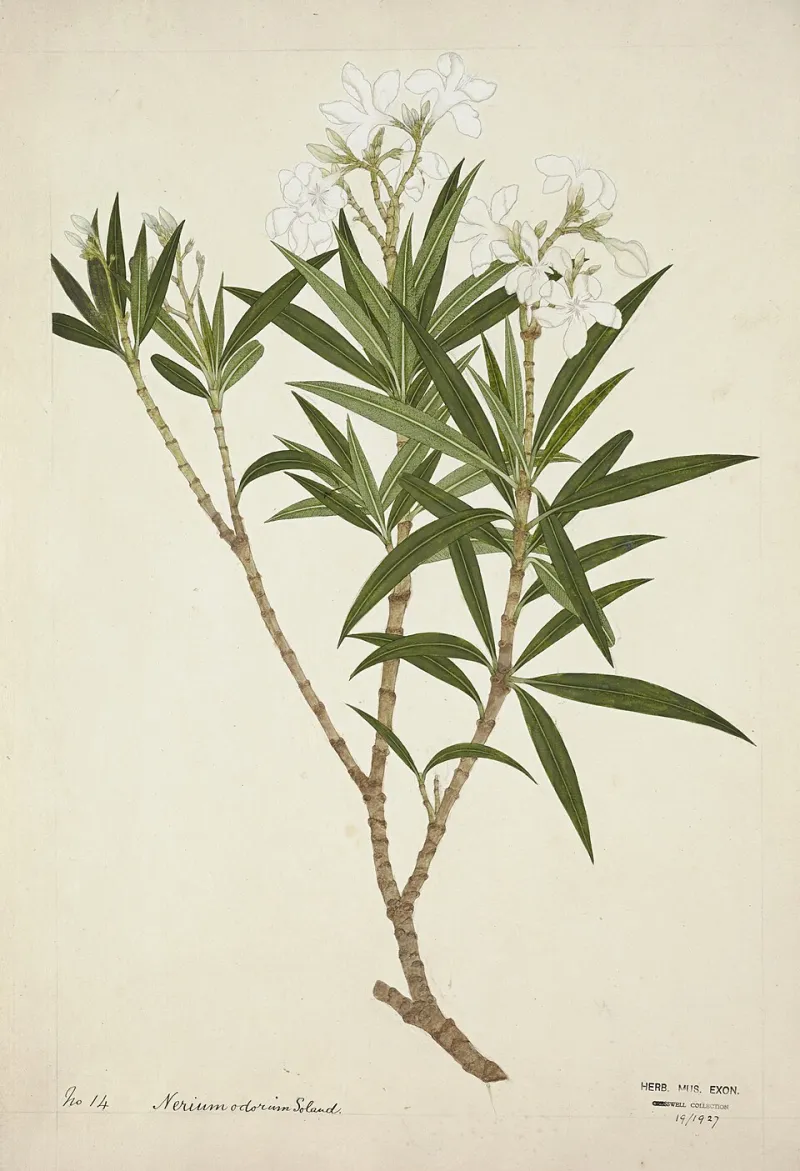
This is the bit where the marketing often runs ahead of the evidence. Barley grass, nettle and oat grass are pleasant, antioxidant-rich botanicals with a real role in soothing and hydrating formulas. They are not oestrogen. There is no robust evidence that they rebalance hormones, reverse thinning or replace HRT. Anyone claiming a meadow extract can do that is selling you a story, not a treatment.
What they can realistically do is support comfort. Barley grass extract brings antioxidant compounds and can feel calming in a lightweight serum or gel-cream. Nettle has a long folk reputation for soothing, though solid clinical evidence in skincare is limited; in a well-formulated product it can be a pleasant, low-key addition. Oat grass is not the same as colloidal oatmeal, which has much better evidence for barrier support and itching. If your skin is genuinely irritated, a plain colloidal oatmeal cream may do more for you than a romantic-sounding grass extract.
Think of grass botanicals as the supporting cast. They can add antioxidants, light hydration and a bit of sensory pleasure. They should sit alongside proven basics: glycerin, ceramides, panthenol, squalane, petrolatum or dimethicone, and daily sunscreen.
A canny 2026 routine for flush-prone, reactive skin
The goal is not a ten-step meadow ritual. It is a short, boring routine that keeps the barrier calm when your internal thermostat is misbehaving.
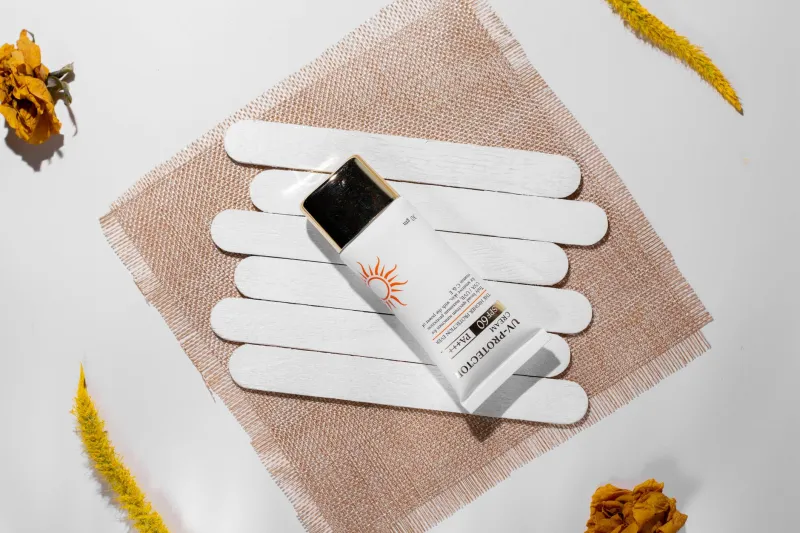
In the morning, rinse with lukewarm water or use a creamy, non-foaming cleanser if you feel grubby. Hot water and foaming gels can leave menopausal skin feeling tight. Follow with a lightweight hydrating serum — a barley grass or oat grass formula is fine here if it suits you — then a moisturiser and a broad-spectrum SPF 30 or 50. Yes, even in a British November. UV and visible light can worsen pigmentation and flushing.
During a hot flush, resist the urge to scrub or over-wash. Blot sweat gently, cool the skin with a lukewarm or cool damp cloth, and reapply a simple moisturiser once the flush passes. Avoid menthol-heavy 'cooling' products, strong fragrance and essential oil blends that promise to chill you out; they often irritate reactive skin instead. A plain thermal water mist can feel nice, but it is not a substitute for moisturiser.
In the evening, cleanse gently and use one active at most. If you already tolerate a retinoid, keep it modest and buffer it with moisturiser. If your skin is stinging, peeling or flushing easily, pause exfoliating acids and retinol for a week or two. Central heating, wool scarves and long train journeys all strip moisture; a slightly richer night cream or a thin layer of barrier balm on cheeks and around the nose can help. Hard water in many UK areas can also leave skin feeling tight, so a creamy cleanser is often more comfortable than a gel.
Read the label, not the meadow
Look for the actual ingredient name, not just the word 'meadow' on the front. 'Barley grass extract' or 'nettle leaf extract' tells you more than a picture of a field. Fragrance-free formulas are usually safer for reactive skin. Be wary of products that combine grass extracts with high levels of denatured alcohol, peppermint, menthol or a long list of essential oils. If a product claims to treat hot flushes or hormone-related thinning, treat that as a red flag.
When to see a GP or dermatologist
Book an appointment if you have sudden or severe skin thinning, easy bruising, persistent itching, a rash that spreads, hives, blistering, ulceration, bleeding, a changing mole or redness that does not settle. Hot flushes accompanied by palpitations, dizziness, chest pain or drenching night sweats also deserve medical advice. If you have any vaginal bleeding after menopause, that needs prompt assessment. And if flushes are wrecking your sleep, mood or work, talk to a clinician about the full range of options, including HRT — a moisturiser is not a substitute for that conversation.
The bottom line
Grass botanicals can be lovely, gentle additions to a menopause-friendly routine. They can soothe, hydrate and add antioxidants. They cannot replace hormones, sunscreen or a proper diagnosis. The canny 2026 approach is a calm barrier routine, a sensible SPF, cool water during flushes and a low tolerance for overblown claims. The meadow is nice. The boring cream is often nicer.