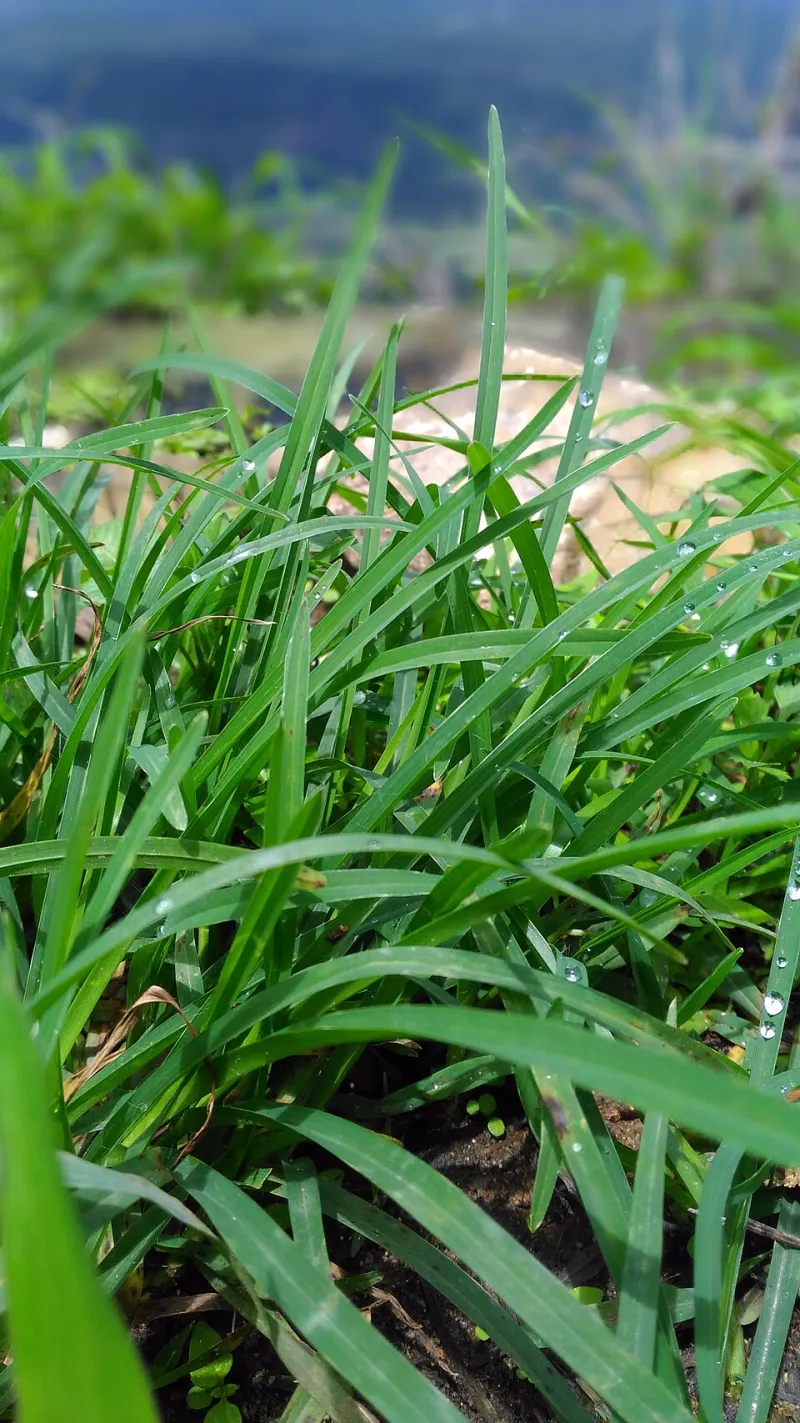
Pasture Talk, Cream Reality: What ‘Grass-Fed’ Really Means on a UK Skincare Label
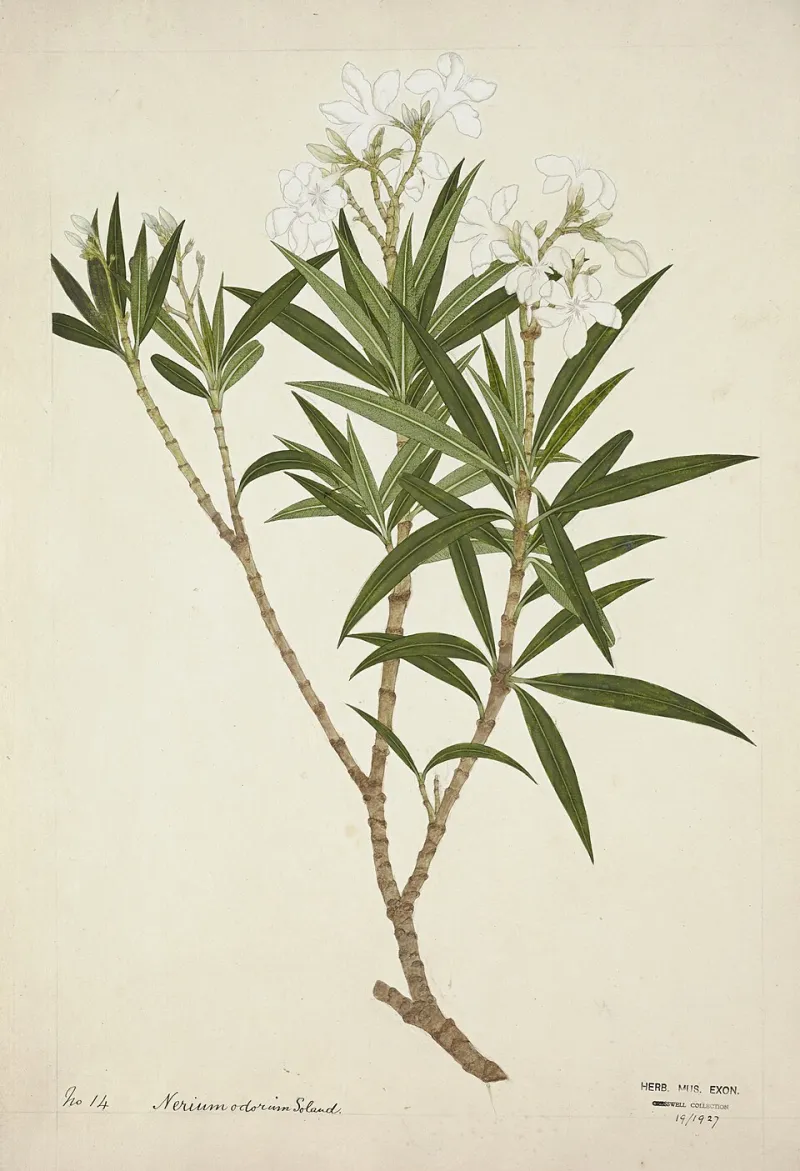
Photo: Bhawani Das, Public domain, via Wikimedia Commons
Walk into any UK farm shop and you’ll see the words doing heavy lifting: grass-fed, pasture-raised, meadow-grown. They sound clean, local and quietly expensive. Now those same words are turning up on face creams, balms and serums. That’s not automatically a red flag. It is, however, a moment to slow down. On a steak, ‘grass-fed’ tells you something about an animal’s diet. On a jar of moisturiser, it often tells you far less than the label would like you to think.
Why pasture language has moved to the bathroom shelf
Food marketing has spent years teaching us that pastoral words equal better. Skincare has borrowed the mood because it works. A cream described as ‘meadow-grown’ feels more trustworthy than one described as ‘contains leaf extract’. But in UK cosmetics, there is no legal definition of ‘grass-fed’ or ‘pasture-raised’ for a botanical face cream. The rules require claims to be truthful and not misleading, but they do not turn a nice phrase into a measurable ingredient. A plant does not graze. A meadow is not an ingredient list.
What is a real sourcing claim—and what is scenery?
A useful claim names the plant, the part used and what was extracted. ‘Perennial ryegrass leaf extract’ is a sourcing claim. ‘Meadow-grown’ on its own is scenery. Both can appear on the same label, but only one helps you understand what is in the tube.
Meaningful wording tends to include a species name, a plant part, a percentage, a certification, a harvest detail or a supplier story that can be checked. Decorative wording leans on atmosphere: wild, pastoral, grass-fed, field-fresh, meadow-grown. None of those are automatically dishonest, but they are not interchangeable with evidence. If the only grass reference is a photograph of a field, treat it as branding first and skincare second.
Three label questions to ask before you buy
- Which plant, and which part? ‘Grass extract’ could mean barley grass, wheatgrass, ryegrass, oat grass or something else entirely. Leaf, stem, seed and root extracts do not behave the same way. Look for a common and Latin name, plus the part used.
- How much is actually in the formula? A named extract can appear after fragrance and preservatives and still sound impressive. If a brand gives a percentage or an extract concentration, that is more useful than a field photograph. If it gives neither, don’t assume the grass is doing much.
- What is the grass meant to do? A winter moisturiser needs barrier support, water-holding and comfort. If the botanical is there as an antioxidant, humectant or soothing agent, the brand should be able to say so plainly. If the answer is only ‘it’s grass-fed’, the wording is doing more work than the ingredient.
Grass-derived ingredients with a clear winter 2026 role
The useful question is not whether an ingredient sounds rural. It is whether it has a job in the formula.
Barley grass extract (Hordeum vulgare) is used as a supporting antioxidant and humectant in some green-toned formulas. It is not a barrier repair ingredient on its own, but it can sit alongside glycerin and oat in a soothing routine. Nettle leaf extract (Urtica dioica) has a long UK folk reputation and is used for its soothing, conditioning feel; again, it is a supporting player, not a substitute for an emollient. Perennial ryegrass extract (Lolium perenne) is the one most likely to appear in UK grass-themed skincare, often as an antioxidant and conditioning extract. Wheatgrass and oat grass extracts turn up for similar reasons. Oat kernel extract and colloidal oatmeal are the more hard-working grass-family ingredients in winter, because they have a credible soothing and barrier-supporting role.
None of these are miracles. In a winter 2026 routine, they work best as part of a formula that already contains proven moisturisers, occlusives and sunscreen for daytime. A grass botanical can add antioxidant support or a nicer feel. It cannot rescue a thin cream in a cold wind.
How to read the label without becoming a cynic
Start with the ingredient list, not the front of the jar. Look for named extracts, humectants such as glycerin, emollients such as shea or squalane, and occlusives if your skin is dry. Then ask whether the pastoral wording adds information or just atmosphere. A brand that can name its plant, part, amount and purpose is giving you something to work with. A brand that can only offer a meadow is asking you to fill in the gaps.
That does not make every grassy cream a con. Some small UK brands use the language because they genuinely work with British growers and want to talk about it. The test is whether the story survives a simple question: what exactly is in the jar, and why? If the answer is clear, the pasture wording is harmless decoration. If the answer is vague, the decoration is probably the point.
The bottom line
‘Grass-fed’ is a food phrase, not a skincare ingredient. In 2026, the useful labels are the ones that name the botanical, the plant part and the job it does. Pasture language can set a mood, but it cannot tell you whether a cream will help chapped cheeks in November. Buy the formula, not the field.