Wet Leads, Raw Knuckles: A Dog Walker’s November 2026 Barrier Plan

By mid-November, dog walking in the UK tends to split into two shifts: the pre-dawn shuffle and the after-work trudge home in the dark. The dog is delighted. The hand gripping the lead is less so. Wet nylon, cold wind, muddy forearms and the temptation to blast everything under hot water add up to a specific kind of seasonal skin stress. This is not a glamorous skincare problem, but it is a very British one.
What the lead hand is actually up against
The hand that holds the lead gets repeated friction, cold exposure and moisture that never quite dries. A wet lead presses against the same patch of palm and knuckles for forty minutes. Then you come home, rinse with hot water and strong soap, and wonder why the skin feels tight by lunchtime.
The issue is rarely just dryness. Chapping involves the skin barrier, the outer layer that keeps water in and irritants out. Cold wind, repeated wetting and harsh cleansers can leave it less comfortable and more reactive. Mud itself is not the enemy; over-washing with the wrong thing often is.
Before you leave: a thin barrier, not a greasy glove
Apply a modest layer of barrier cream to the lead hand about ten minutes before you head out. Think thin and even, not a theatrical glove of grease that makes the lead slippery. A simple cream with glycerin, shea butter, beeswax or lanolin can help cushion the skin. If you react to lanolin, skip it. Squalane and oat kernel oil are other useful emollients.
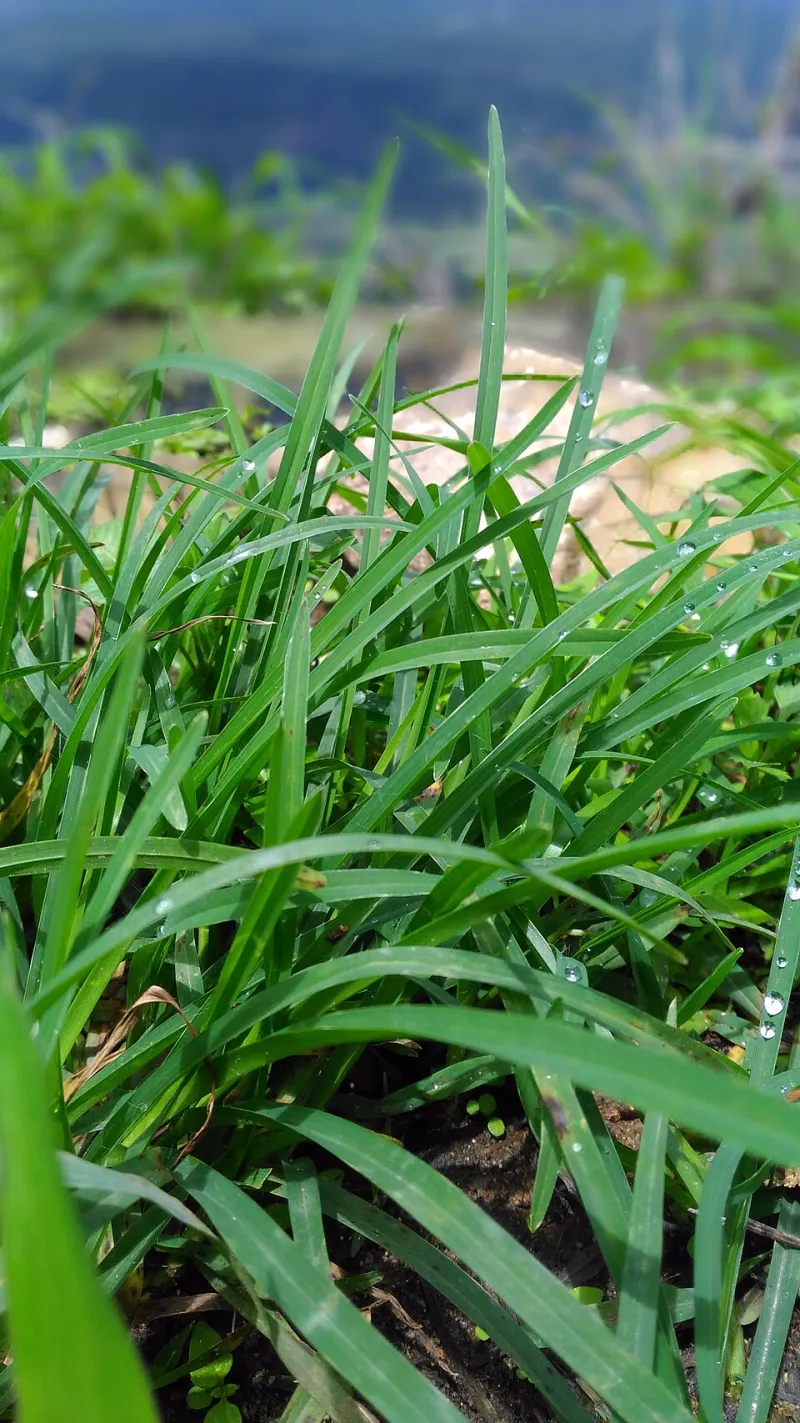
Grass botanicals can sit in this step, but they should not be doing the heavy lifting alone. Barley grass extract and perennial ryegrass extract are common in green UK formulas, often for their humectant or soothing support. They work best alongside ordinary barrier ingredients, not instead of them. A thin layer on wind-exposed cheeks is also sensible, especially on exposed commons, towpaths and coastal paths.
Post-walk cleansing: lukewarm, short and not too soapy
Mud splashes on the forearm do not always need a full wash. Rinse with lukewarm water, use a gentle pH-balanced hand wash or cream cleanser if needed, and pat dry rather than rubbing. Hot water feels wonderful on cold hands, but it strips lipid and leaves skin tighter afterwards. If your area has hard water, a cream cleanser can feel less filmy than a bar soap, though the main thing is to keep the wash brief.
Moisturise while the skin is still slightly damp. That helps trap water rather than simply coating dry skin. For the forearms, a short lukewarm shower is fine, but keep the temptation to scrub mud away with a loofah in check. A soft cloth and a gentle cleanser are enough.
Grass botanicals that earn a place
It is easy to overstate what a plant extract can do. In a dog-walking routine, the useful grass-inspired ingredients are supporting players. Oat grass and barley grass extracts often appear in soothing formulas. Nettle and plantain are traditional British botanicals used in comfort-focused creams. Perennial ryegrass extract is another label-friendly grass ingredient, but it is not a substitute for a barrier cream.
Look for formulas that combine these extracts with glycerin, panthenol, shea butter, beeswax or colloidal oatmeal. Be sceptical of strong fragrance, denatured alcohol, menthol or citrus oils in a product meant for raw knuckles. A grassy scent does not make a formula gentler. If your skin is already cracked or stinging, patch test anything new and keep the ingredient list short.
A workable November 2026 routine
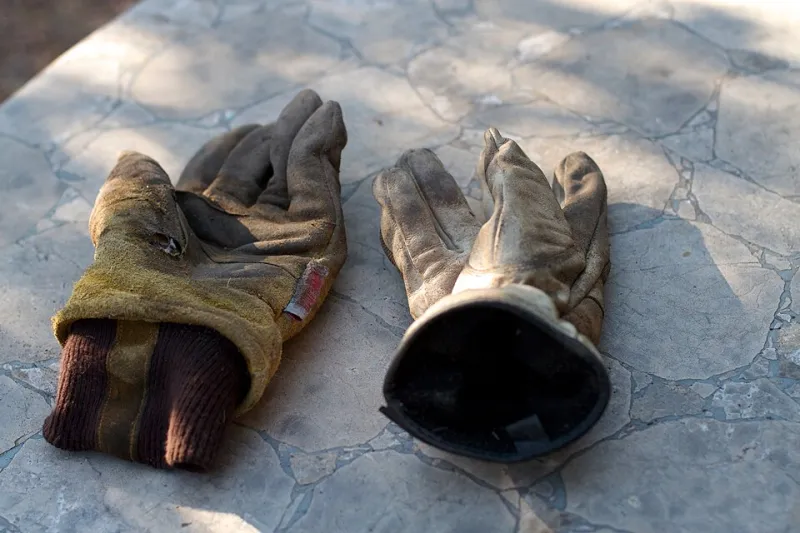
In the morning, apply a thin barrier cream to the lead hand and any exposed cheeks. Pull on gloves, keep the lead dry if you can, and consider swapping hands on quieter stretches. Keep a towel by the door for the dog and a gentle cleanser by the sink for you.
After the walk, rinse with lukewarm water, cleanse only where mud or lead residue has collected, pat dry and moisturise. At night, use a slightly richer balm on knuckles if they feel rough, but avoid scrubbing. If skin is cracked, bleeding or persistently sore, speak to a pharmacist; a routine is not a substitute for proper care.
What to skip when skin is raw
Skip hot water, dish soap, alcohol-heavy hand gels, exfoliating acids and fragrance-heavy products. Do not chase the feeling of squeaky-clean skin. That tight sensation is not a sign of a good clean; it is often a sign that the barrier has been asked to do too much. A calm, repetitive routine beats a dramatic one, especially when the lead is wet and the sky is already dark by four.