Sap Streaks, Dust and Damp Cuffs: A Late-Season Guide to Gardener's Skin
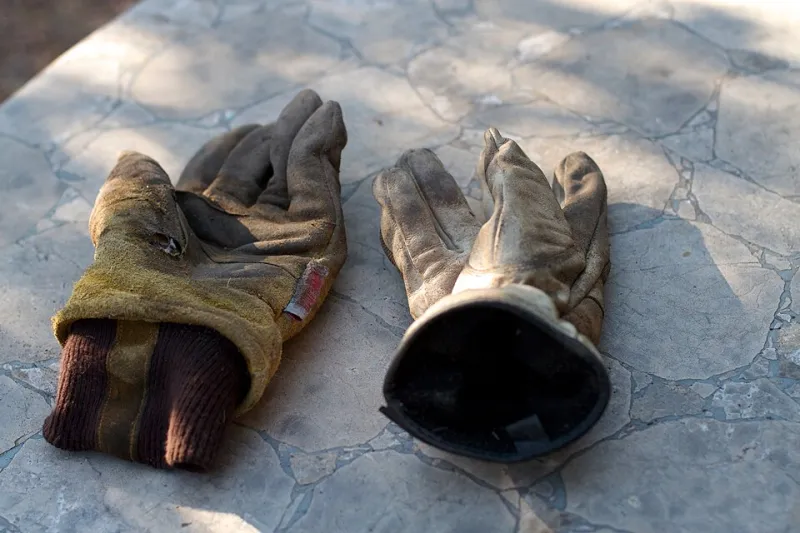
Photo: cogdogblog, CC BY 2.0, via Wikimedia Commons
There's a particular kind of November afternoon that catches British gardeners out. The light goes early, the grass is wet rather than frosty, and you decide to squeeze in one last cut before the mower goes into the shed. Two hours later you're standing at the kitchen sink with green-black streaks up your forearms, a rash creeping along your wrist and knuckles that feel like sandpaper. None of that is unusual. Most of it is manageable. Some of it needs a bit more respect.
This isn't a scare piece about gardening being dangerous. Gardening is one of the better things you can do for your skin, your sleep and your general outlook. But the combination of plant sap, airborne dust, cold air and damp gloves is a genuine load on the skin barrier, and a little planning around it makes a real difference.
What actually ends up on your skin
When you strim, mow or clear leaves, three separate things land on you at once, and it helps to tell them apart because they need slightly different handling.
Plant sap and juices. Grass blades aren't smooth. They carry microscopic silica teeth, which is why a fistful of long grass can leave you with a paper-cut-style sting. Bruised clippings also release sap containing a mix of proteins, organic acids and, in some plants, compounds that react with sunlight.
Dust and pollen. Dry leaf litter and the dust that sits under hedges are loaded with mould spores, soil particles and late-season pollen. This is the stuff that settles into cuffs and collars and sits against skin for hours.
Mechanical and environmental load. Friction from sleeve hems, cold air, wet gloves and your own sweat all chip away at the skin barrier. Add hard UK tap water at the sink afterwards and you've got a fairly demanding afternoon for a forearm.
The sap that bites back
Most grass sap is a mild irritant at worst — a bit of redness, an itch, sometimes a streaky rash that fades in a day or two. But a few common British plants deserve real caution, and it's worth knowing them by sight rather than by rash.
Giant hogweed is the one that makes the news, and rightly so. Its sap contains furanocoumarins which, once on skin and exposed to daylight, can cause phytophotodermatitis — a reaction that often appears a day or two later as redness, streaks and sometimes painful blisters. Similar compounds turn up in smaller relatives and in garden plants including rue and some Euphorbia species, whose milky sap is a well-known irritant. Fig leaves and their sap get people too.
The practical rule: if a plant has milky or unusually vivid sap, don't wipe your hands on your trousers and don't carry on in short sleeves. Gloves, long sleeves, and washing with cool water and a mild cleanser rather than scrubbing. If you think you've had hogweed sap on you, get out of the sun, wash the area thoroughly with cool water and soap, and keep it covered.
The cuff and sweat problem
Here's the part people skip. Your wrists, the backs of your hands and your neck are where clothing gaps open and close as you work. A damp cuff rubbing against a damp wrist for two hours is a surprisingly effective way to leave skin sore and reactive. Sweat trapped under gloves does much the same, especially when the temperature dips and you've over-layered.
So: dry gloves, a spare pair, and sleeves that either stay put or roll cleanly above the elbow. If you're prone to eczema on your hands, this single change often matters more than anything you put on afterwards.
Before you go out
Three small steps, none of them faffy.
- Barrier first, not last. A plain moisturiser with glycerin, squalane or shea applied to forearms, hands and neck ten minutes before you head out gives the skin something to work with. It isn't armour, but it does reduce how much sap and dust sits directly against dry skin.
- Cover the gap. Long sleeves, gloves and a bit of consideration for the back of your neck. Nothing technical required.
- Keep a clean cloth and a bottle of water nearby. Wiping sap off with a dry rag just spreads it.
After the garden: a twenty-minute reset
This is where the routine earns its keep, and it's gentler than the old instinct to scrub with a nail brush and hot water.
Cleanse cool and briefly. Lukewarm water, a fragrance-free cream or gel cleanser, and no more than a minute of contact. Hot water and hard water both strip lipids, and November skin has little enough to spare.
Pat, don't rub. A clean towel pressed against the skin. If you've got visible sap streaks, a second gentle cleanse over just that area is fine; repeated scrubbing isn't.
Layer a barrier cream while skin is still slightly damp. Colloidal oat is the workhorse here — it's the ingredient most often cited for dry, itchy, irritated-feeling skin, and it plays nicely with others. Pair it with glycerin for hydration and something occlusive-ish such as shea butter or squalane to slow water loss overnight.
Bring in the grass botanicals where they suit. Perennial ryegrass extract and barley grass are the two that turn up most in UK formulations, usually as antioxidant-supporting additions rather than miracle workers. Plantain and yarrow extracts appear in soothing-style products and are worth a look if your skin tolerates them. They're supporting players, not treatments, and it's worth saying so plainly.
Patch test anything new on the inner forearm for a couple of nights before slathering it on a sore wrist.
When to stop DIY-ing it
Most garden rashes settle with gentle cleansing and a bit of time. These signs mean you should speak to a pharmacist, and some mean a GP or NHS 111 without delay.
- A rash that is spreading quickly, blistering, weeping or very painful — particularly on the face or hands
- Redness that appears a day or two after sun exposure following plant contact, especially in streaks or drips
- Swelling of the lips, face or throat, wheeze or breathlessness after gardening — this is an emergency, call 999
- Cuts or grazes that become hot, swollen or produce pus, or that won't heal
- A rash with fever, or feeling generally unwell
- Any skin change that hasn't improved after a week or so of gentle care
Pharmacists are genuinely good on garden-variety rashes, antihistamines and mild infected grazes, and you don't need an appointment. Use them.
The short version
Cover up, dry gloves, barrier cream before you start. Cleanse cool and gently afterwards, layer oat and glycerin while skin is damp, and respect any plant with milky sap. Gardeners get sore skin because gardening is hard on skin, not because they're doing it wrong. A bit of order at the start and end of the session is usually all it takes to keep the last mow of the year from following you into December.