The Green Blade in the Bottle: A Canny Read on Perennial Ryegrass Extract
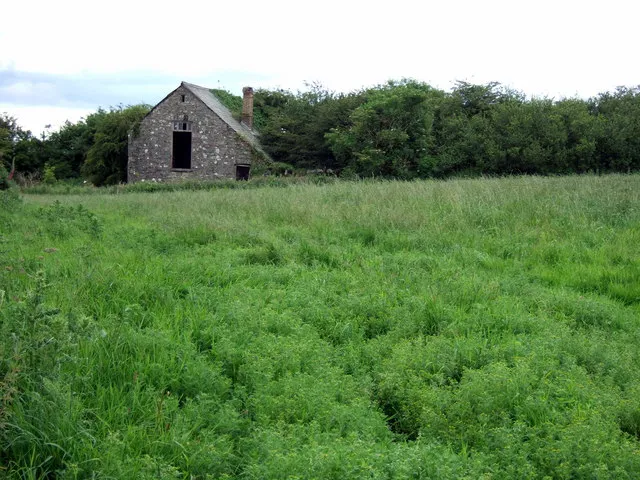
Photo: ceridwen, CC BY-SA 2.0, via Wikimedia Commons
Why a lawn grass is suddenly on the INCI list
Walk down any UK garden path and you will meet perennial ryegrass, or Lolium perenne if you are on speaking terms with Latin. It has been used for turf and forage for generations, so it is not a new plant. What is new in 2026 is the sight of it on serum labels, often next to words like barrier, resilience and green biotechnology. The pitch is appealing: a familiar British grass, turned into a sophisticated skincare extract.
That does not make it a gimmick. But it does mean shoppers need to read past the meadow imagery. Ryegrass extract can be a sensible supporting ingredient in a well-built formula, or it can be a decorative sprinkle in a cream that would work exactly the same without it. The difference is usually in the detail.
What the extract actually is
A cosmetics ingredient called Lolium perenne extract is not simply liquidised lawn clippings. Suppliers typically make extracts from the leaves or grass juice using water, glycerin or fermentation. You might see Lolium perenne extract, Lolium perenne leaf extract or Lolium perenne juice on the INCI list. Those are not interchangeable. A glycerin extract used at 0.5% is a very different proposition from a fresh juice included at a higher percentage.
The extraction method matters because it influences what ends up in the bottle. Water and glycerin extracts tend to carry water-soluble compounds such as flavonoids and phenolic acids. Fermented versions may have a different mix. None of this is automatically better or worse, but a brand that can explain its extract is usually a brand that knows what it is selling.
The evidence: promising, not proven
In the lab, perennial ryegrass extracts have shown antioxidant activity. That is not surprising. Grasses contain chlorophyll, phenolic compounds and flavonoids, and many plant extracts show free-radical scavenging in a petri dish. The leap from that to visible skin benefits is where things get fuzzy.
Independent clinical trials on ryegrass extract specifically are thin on the ground. Some suppliers point to barrier and moisturisation data, often from small studies or internal testing. That does not mean the ingredient is useless. It means the honest position is promising but not proven. In a serum, the measurable work is more likely to come from glycerin, panthenol, squalane, ceramides or niacinamide, depending on the formula. Ryegrass may be a supporting antioxidant, not the headliner. Anyone expecting a lawn-based facelift should adjust their expectations.
UK sourcing and the sustainability question
A British lawn grass sounds wonderfully local. In practice, cosmetic supply chains are global. Ryegrass is grown widely in the UK for turf and forage, but cosmetic-grade extract may come from specialist suppliers in Europe or further afield. It is worth asking whether the extract is made in the UK, whether it is upcycled from turf management, or whether it is a dedicated crop grown for skincare.
Sustainability claims need the same scrutiny. Perennial ryegrass can be a low-input crop compared with some annual alternatives, and it is perennial by nature. But a lawn is not automatically an eco-paradise. Mowing, fertiliser, water use and monoculture all have an impact. For most skincare products, packaging and transport are likely to be bigger environmental factors than the grass itself. A refillable bottle with a transparent supply chain is often the better green choice, even if the extract is not grown down the road.
The winter routine test
In winter, the skin barrier needs lipids, humectants and occlusives. Ryegrass extract will not replace your ceramide cream or your petrolatum-based balm. It can sit comfortably in a morning antioxidant layer under sunscreen, and yes, you still need sunscreen in a British winter. For chapped cheeks and windburnt noses, simpler is usually better: gentle cleanse, barrier cream, repeat.
If your skin is reactive, patch test first. People with grass pollen allergies can occasionally react to topical grass-derived ingredients, though serious reactions are uncommon. Do not apply any active serum to broken or cracked skin. And if a product promises to calm redness while also containing a high level of alcohol denat, believe the alcohol, not the grass.
How to judge a bottle in 30 seconds
Start with the INCI list. If Lolium perenne extract appears after fragrance or after the preservative, it is probably a whisper rather than a workhorse. If it appears before the preservative and the brand states a meaningful percentage, that is more encouraging. Look for the extract type and any sourcing detail. Vague phrases like grass-powered or meadow-fresh tell you nothing.
Ask the brand a direct question: what percentage of ryegrass extract is used, and where is it sourced? A good formulator will answer. A brand that cannot will still take your money, but it will not earn your trust. Price is another clue. You should not pay a premium for a story that falls apart on the ingredient list.
The verdict
Ryegrass extract is not inherently silly. It is a plant with antioxidant potential and a decent story for British skincare. But in 2026, the label should tell you more than grass. If the formula is solid, the percentage is clear and the sourcing is honest, it can earn a place in a winter routine. If it is a green word after the fragrance, leave it on the shelf. Your lawn can stay outside.