Beyond the Kerb: The Honest Lesson of Britain’s Roadside Plants
Britain’s roadside verges are not a beauty ingredient. They are a reality check. The plants there are cut on a schedule, walked over, peed on and dusted with whatever the A-road throws at them. That is precisely why they are worth thinking about when you pick up a jar labelled with meadow grasses and wild botanicals.
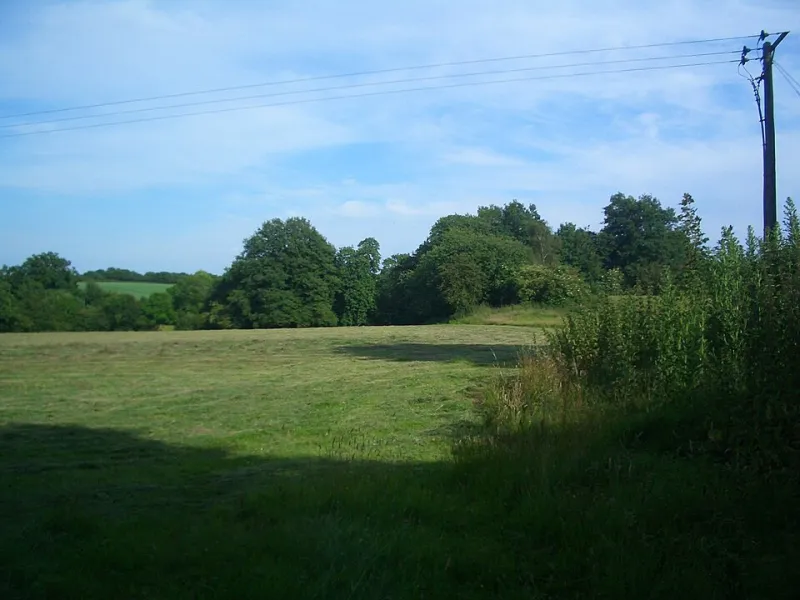
A verge is not a meadow. It is a strip of land under pressure. And that pressure exposes the difference between a plant that survives in the wild and a plant that can be turned into a consistent, safe cosmetic ingredient.
A verge is a stress test, not a meadow
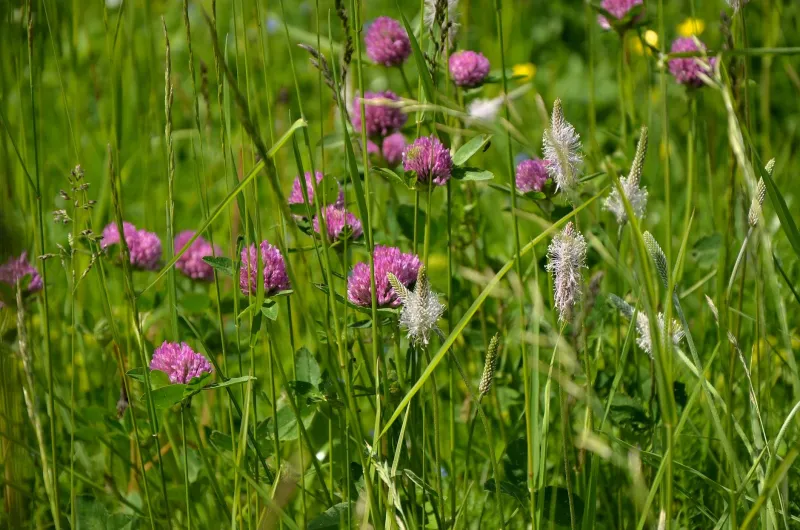
Roadside ground is often compacted, low in fertility and periodically scalped by mowers. The species that hang on are tough: ribwort plantain, common vetch, sweet vernal grass, yarrow, clover. They are not necessarily the most fragrant or the most abundant in cosmetic actives. They are simply good at staying put.
That matters because cultivated cosmetic crops are grown for yield, consistency and cleanliness. Wild plants are grown by chance. A formulator needs to know which plant part was used, when it was picked, how it was dried and what else came along with it. A forager needs to know whether the site is legal, clean and healthy enough to harvest from. The verge keeps both of them honest.
Ribwort, vetch and sweet vernal: what actually reaches a shelf
Ribwort plantain is the most plausible of the three in skincare. It appears in soothing, redness-focused products, usually as an extract. But a lot of commercial ribwort extract is cultivated or bought as a standardised ingredient, not gathered from a lay-by. If a brand leans hard on wild ribwort, look for the Latin name, the plant part and the harvest region.
Common vetch is a different story. It is a useful agricultural plant and a familiar verge climber, but it is not a common cosmetic extract. If you see vetch in a product story, check whether it is actually in the formula or just in the meadow photograph. The INCI list will tell you.
Sweet vernal grass is the one most likely to be used as shorthand. It has a hay-like, coumarin-tinged scent that fits the idea of a British meadow. But a fragrance description is not an ingredient. If sweet vernal grass does not appear in the INCI list, it is atmosphere, not chemistry.
Wild-harvested is a chain-of-custody question
‘Wild-harvested’ sounds humble and romantic. In practice it is a supply-chain claim, and it deserves the same scrutiny as ‘organic’ or ‘clean’. Four questions matter most:
- Species: Is the plant named properly, with its Latin name and the part used?
- Place: Where was it harvested? A region is better than a country; a site is better still.
- Permission: Was the landowner consulted? Was the site protected or contaminated?
- Pressure: Is the species abundant enough to pick without damaging the local population?
A verge beside a busy road may be legally accessible and still a poor harvest site. Exhaust residue, tyre dust, dog waste and council weedkillers are real concerns. Reputable wildcrafters avoid busy kerbsides, seek permission and test batches. A wild claim without that detail is decoration.
What foragers and formulators tend to agree on
The foragers I have spoken with do not romanticise kerbsides. They talk about clean sites, landowner permission and picking only what is abundant. Formulators make a similar point from the other end: wild batches vary, so they need documentation before they can use them at scale.
The useful question is not ‘is it wild?’ It is ‘is it traceable and responsible?’ A cultivated plant with a clear harvest record can be a better choice than a wild plant with a vague story. Wildness is not a virtue on its own.
How to read a wildcrafting claim in 2026
Start with the label and the brand’s ingredient page. Look for the Latin name, plant part, extraction method and harvest region. If the brand mentions a wild harvest, ask for the harvest year and country. Certifications can help — FairWild is the main standard for wild collection, while COSMOS and Soil Association focus on organic production — but no logo replaces a clear supply chain.
If a claim says ‘wild-harvested’ and nothing else, treat it as marketing until proven otherwise. That is not cynicism. It is basic label literacy.
A short list for provenance checks
UK herb suppliers worth starting with include Bristol Botanicals, The Herbal Apothecary and Baldwins. Look for country or region of harvest on the batch page; if it is not there, email and ask for the harvest country, year and plant part. A supplier that publishes — or promptly provides — that information is worth keeping. A supplier that cannot tell you where the plant came from is telling you something too.
The shelf lesson
The verge is alive, but it is not a free ingredients aisle. It is a reminder that plants become skincare only after someone identifies them, traces them, harvests them responsibly and tests them properly. Use verge species with humility. Admire the ribwort on the walk home, then ask harder questions of the jar on the bathroom shelf.