Below the Neck: Five British Grass Botanicals Worth Using on Winter Body Skin
Photo: Aaron Linville, Public domain, via Wikimedia Commons
British winter is a two-front assault on body skin. Outside, wind and the sort of damp cold that gets into your bones. Inside, radiators running from October to March and showers hot enough to strip the moisture straight off your shins. Meanwhile, the entire grass skincare conversation is happening on your face.
That is a bit of a waste. Grass extracts happen to suit body care rather well — they are usually light, water-binding and low in scent, which is exactly what you want in something you apply from the neck down. So here are five botanicals from British grassland that earn their place in a body routine for winter 2026, plus how to slot them in without turning your bathroom into a laboratory.
Why grass extracts work below the neck
Most grass ingredients bring polysaccharides and sugars that hold water at the skin surface, along with a modest mineral and antioxidant load. They are rarely heavy or occlusive on their own, which makes them useful for people who find shea butter too rich or who react badly to heavily fragranced body products. They also tend to be cheap enough that a brand can put a meaningful amount in a 250ml bottle rather than reserving them for a 15ml serum.
One caveat before we start: grass extracts are supporting players. They work best alongside glycerin, oat, squalane or urea, not instead of them.
1. Wheatgrass — the one for legs and arms
What it is: young wheat leaves, juiced or dried and sold as a powder or extract. In body care it usually shows up as wheatgrass juice or a glycerin-based extract.
Texture: silky and fast-absorbing. In a lotion it disappears within a minute, which is what you want when you are pulling on tights in a cold bathroom.
Scent: genuinely grassy — think a lawn on a warm day, fading within ten minutes. If you dislike green smells, look for it further down an ingredient list rather than at the top.
Where it fits: an everyday post-shower body lotion. Look for it paired with glycerin and something occlusive like shea or coconut-derived emollients, in the £10–£20 range for 250ml. Above £30 and you are paying for the bottle.
2. Oat grass — for shins, elbows and anything flaky
What it is: the young green growth of the oat plant, distinct from colloidal oatmeal, which is the milled grain. The extract is the more comforting, film-forming one; the grain is the one with the strongest evidence base for itch.
Texture: slightly richer than wheatgrass, with a soft, almost milky finish. Works well in a cream rather than a lotion.
Scent: barely anything, which makes it a sensible choice if you are avoiding fragrance completely.
Where it fits: apply to shins and elbows after a shower, then a balm over the top if you are going outside. Unscented oat grass creams sit comfortably in the £12–£22 bracket and are one of the better value options in this category.
3. Perennial ryegrass — the hand cream candidate
What it is: the most common pasture grass in Britain, which makes it an oddity in skincare only because we tend to import our botanicals instead.
Texture: sugar-rich extracts give a slightly tacky, film-forming feel at higher percentages. At 1–2 per cent in a balm it adds glide without stickiness.
Scent: faint, cut-grass adjacent. Some formulations smell oddly like a cricket pitch. Not unpleasant, just specific.
Where it fits: hand balms and cuticle creams. Hands get washed a dozen times a day in winter, so a balm you can reapply without a greasy keyboard situation is worth more than a fancy one you avoid using.
4. Barley grass — best saved for feet
What it is: the young leaf of barley, popular as a powder and increasingly used as an extract in body creams.
Texture: light, almost watery in a lotion; in a foot cream it needs a heavier partner to do any real work.
Scent: green and slightly earthy. Fine, but it does not mask much, so check whether a foot cream is using it to hide a strong fragrance.
Where it fits: heels and the balls of the feet. Pair it with 5–10% urea for genuinely rough skin, and apply before socks rather than after. A decent barley grass foot cream should cost £8–£15; anything over £25 is charging for the tin.
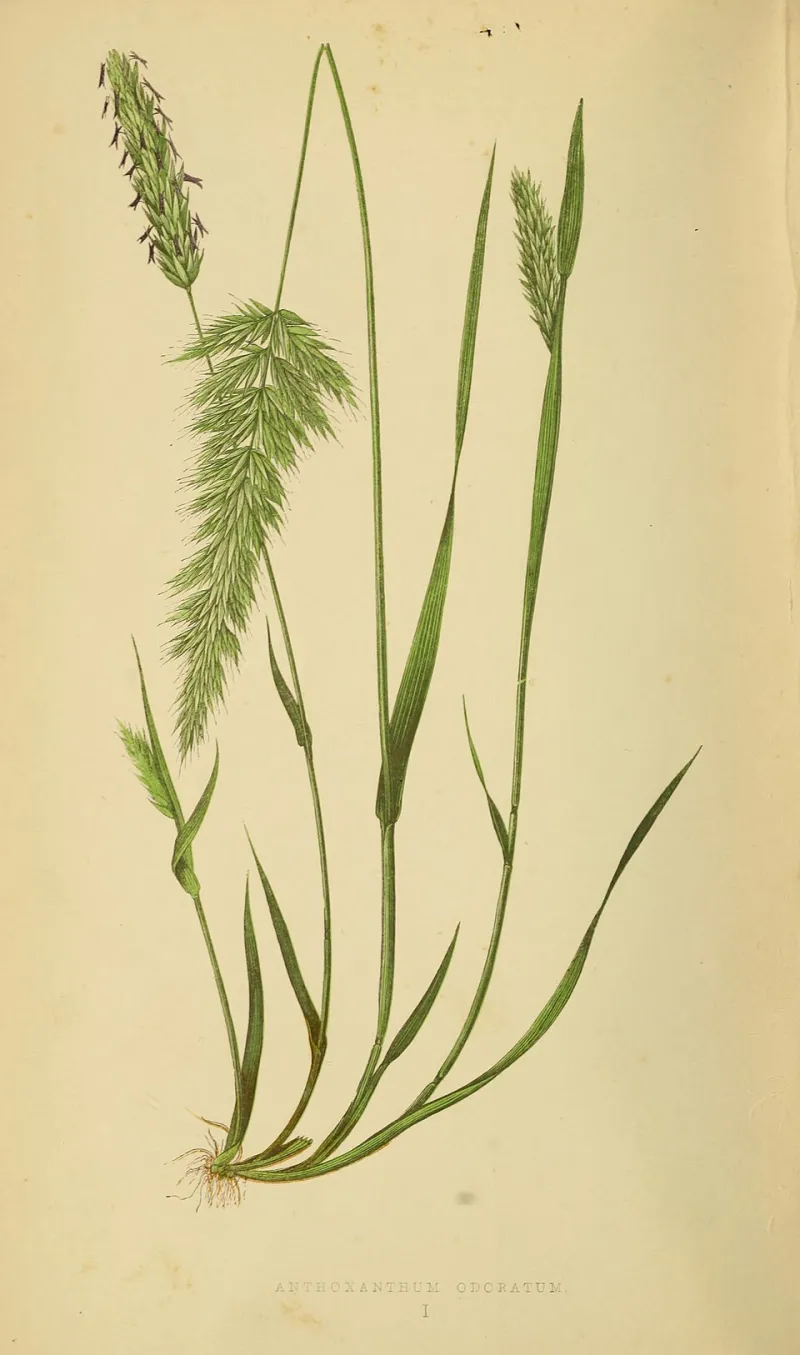
5. Cocksfoot — the small-batch wildcard
What it is: a tufted pasture grass found all over British meadows, occasionally appearing in small-batch UK formulations as part of a meadow extract blend.
Texture: variable, because most brands using it are small and formulating by hand. Best found in balms and salves rather than lotions.
Scent: the most meadow-like of the five. Expect hay, not perfume.
Where it fits: a weekend balm for cracked knuckles and dry patches. Availability is patchy and batch sizes are small, so treat it as a nice discovery rather than something to build a routine around.
The five-minute post-shower routine
- Shower warm, not hot. Two minutes cooler than you would like is the single biggest favour you can do your skin in January.
- Pat, do not rub, and leave a little water on the skin.
- Lotion within three minutes of leaving the shower, while skin is still damp. Wheatgrass or oat grass lotion, all over, quickly.
- Balm on hands and feet straight after, then socks if you are in for the evening.
- Exfoliate once a week, not more. A dry brush or a simple glycolic body lotion will do more for flaky shins than any single botanical.
What to skip
Anything sold as a 'meadow scented' body product, which usually means a grass extract at 0.1% and a fragrance at 2%. Alcohol-heavy body mists that feel refreshing for ninety seconds and tight for the rest of the day. And 30ml 'body serums' — bottles that small belong on your face.
The verdict
If you only buy one thing from this list, make it an unscented oat grass or wheatgrass lotion in a large bottle and use it every day without ceremony. Consistency beats novelty in body care, and the grass is doing a modest, honest job in the background. Which, for a category loud with meadow imagery, is quietly refreshing.