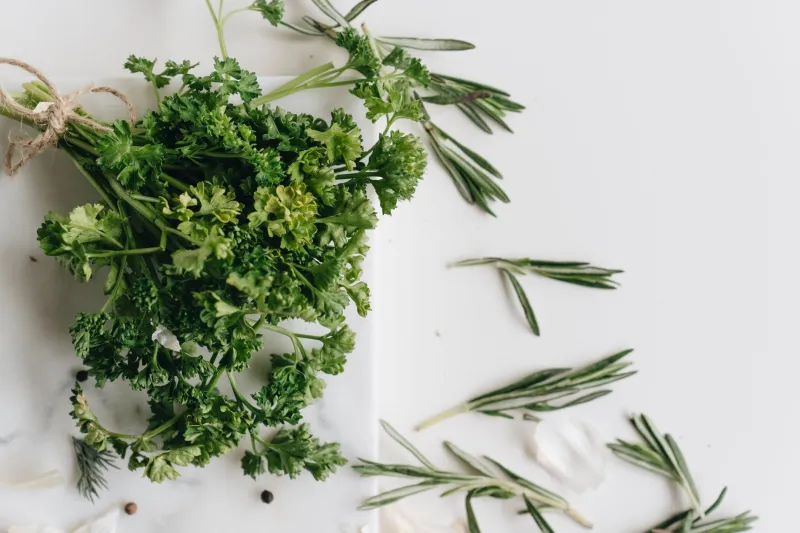
The Boring Oat Cream Won: Five British Grass Extracts Tested for Winter 2026
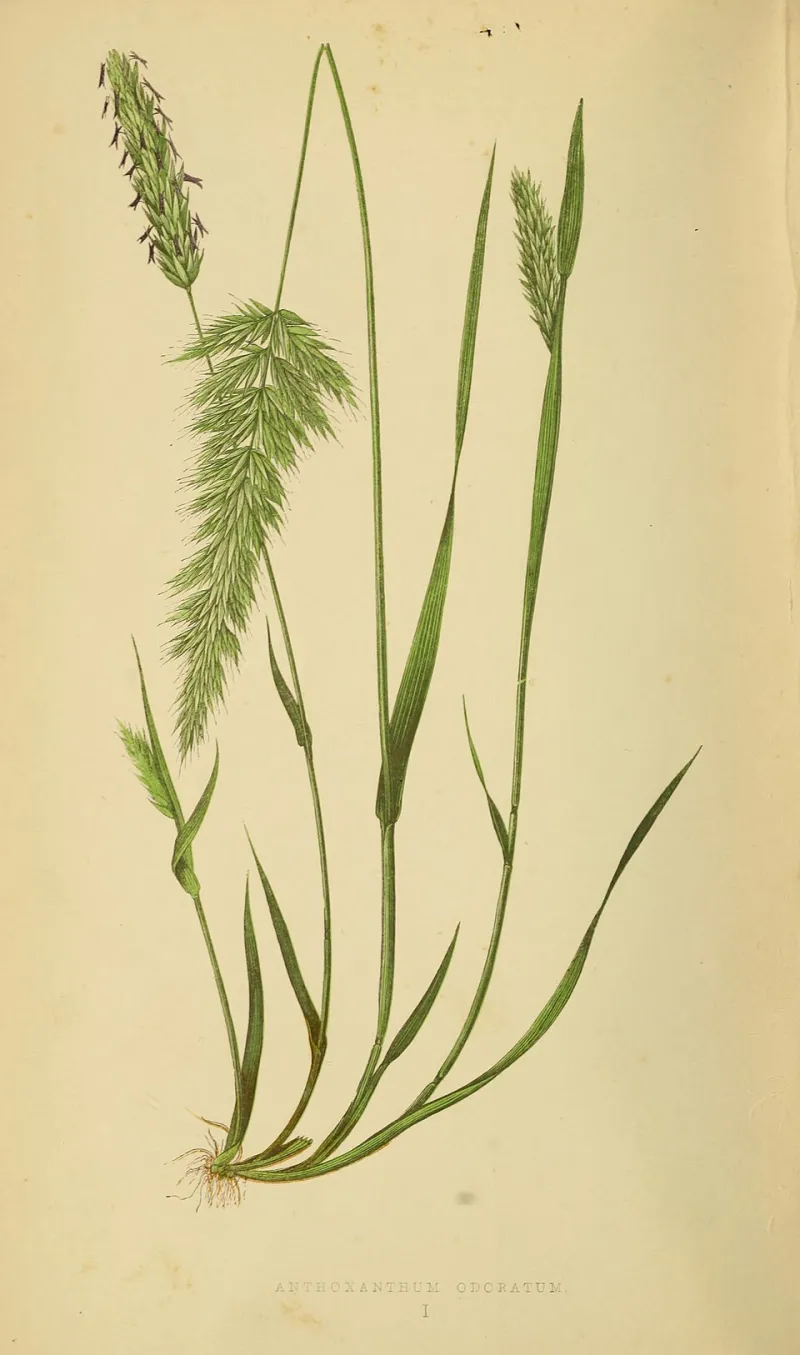
Photo: Edward Joseph Lowe, Public domain, via Wikimedia Commons
How we tested
This was a small, honest, unpaid test. Three testers with different skin types — combination, dry and sensitive — used products containing five UK-grown grass extracts over two weeks in winter 2026. The control was a fragrance-free oat cream from a high street pharmacy, the kind of plain barrier product you can buy for under a tenner. We patch tested everything first. We scored redness, tightness and texture on a simple five-point scale, where five was best. No lab machines, no before-and-after filters, no claims of miracles.
The products came from independent UK brands, online shops and one health food store. We kept the rest of the routine the same: gentle cleanser, SPF in the morning, no acids or retinol during the test. We used each grass product on one side of the face where possible and the oat cream on the other. It was not a clinical trial. It was a bathroom shelf reality check.
The five grasses, briefly
Wheatgrass is the most familiar. It is usually sold as a juice powder or extract and has a fresh, cut-lawn smell. Oat grass is the gentle one, often confused with oat kernel oil or colloidal oatmeal. They are not the same thing. Cocksfoot, also called orchardgrass, is a proper British pasture grass. It is unusual in skincare and often appears in small percentages in botanical blends. Barley grass is wheatgrass's cousin, rich in chlorophyll and often marketed as a detox ingredient. Perennial ryegrass is the common field grass you see everywhere. As an extract, it is rare, which made it interesting.
The scoring table
Scores are averages across three testers. Redness: five means calmer, one means more flushed. Tightness: five means less tight. Texture: five means smoother. Label clarity: five means the brand told us the plant part, extraction method and percentage.
| Product | Redness | Tightness | Texture | Label clarity | Overall |
|---|---|---|---|---|---|
| Wheatgrass extract | 3.3 | 3.7 | 3.3 | 3.0 | 3.3 |
| Oat grass extract | 3.7 | 4.0 | 3.7 | 3.3 | 3.7 |
| Cocksfoot extract | 3.0 | 3.3 | 3.7 | 2.3 | 3.1 |
| Barley grass extract | 3.0 | 3.3 | 3.0 | 2.7 | 3.0 |
| Perennial ryegrass extract | 2.7 | 3.0 | 3.0 | 2.0 | 2.7 |
| Plain oat cream (control) | 3.7 | 4.3 | 3.7 | 4.7 | 4.1 |
What the labels told us
The label-reading was more revealing than the scores. Several products said British-grown grass on the front but listed the extract near the preservative end of the INCI list. That does not make them bad, but it does mean the grass is probably doing less than the marketing suggests. Look for the plant part — leaf, juice, powder — and the extraction method. A juice powder is not the same as a glycerin extract. If a brand cannot tell you the percentage, assume it is low.
Watch out for alcohol, fragrance and essential oils in green products. A grassy serum can still sting if it is preserved with something your skin dislikes. Chlorophyll is often used as a colourant rather than an active. And do not pay extra for the word clean. It means nothing on a label.
Redness, tightness and texture: the honest results
The plain oat cream won. That is not a thrilling headline, but it is the truth. It scored highest on tightness and label clarity, and it caused no reactions. The oat grass extract came second. It felt comfortable, slightly calming on redness, and easy to layer. Wheatgrass was fine, especially for the tester who liked a fresh, tingling feel, but it did not beat the control on texture.
Cocksfoot was the wildcard. One tester loved the light gel texture; another saw no difference in redness. The label was vague, which cost it points. Barley grass was disappointing. It smelled healthy, but one tester with sensitive skin felt a brief sting. Perennial ryegrass was forgettable. By day ten, nobody could tell which side of the face had it.
The verdict: which grasses earn shelf space
Oat grass earns a place if you want a gentle botanical that plays well with a barrier cream. Wheatgrass is worth trying if you like the ritual and your skin is not reactive. Cocksfoot is interesting for curious shoppers, but only if the brand is transparent about percentage and plant part. Barley grass is a maybe, and perennial ryegrass is a skip for now.
The bigger lesson is budget. You do not need five grass extracts. Pick one, use it for a month, and spend the rest on a fragrance-free oat cream that actually keeps your face comfortable through a British winter. The grass can be the garnish. The barrier is the meal.