What Part of the Grass? A Shopper's Guide to Reading Green Skincare Labels in 2026
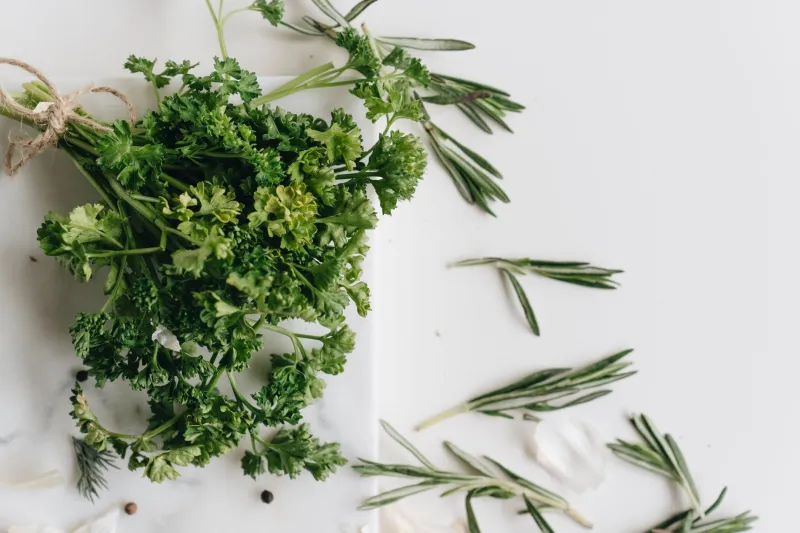
Grass-derived has become one of those phrases that sounds clean, green and faintly heroic. It conjures dew, meadows and a British field in June. But on a skincare label, it often stops one step short of the information that actually matters: which part of the plant ended up in the bottle. A leaf extract is not the same as a seed oil. A root preparation is not the same as chopped stem. And in 2026, with more UK shoppers reading the back of the pack than ever, that gap is worth talking about.
This is not a warning about grass botanicals. It is a nudge towards sharper reading. The plant name is the headline; the plant part is the detail that tells you what you are actually buying.
Why the plant part changes the story
Plants are not uniform. A barley leaf and a barley seed may share a name on the front of the bottle, but they behave differently in a formula. Leaf preparations are often used for their colour, antioxidants or water-soluble compounds. Seed oils tend to bring fatty acids and a richer skin feel. Roots may be chosen for different traditional uses, and stems can be a very different material again.
That matters for three reasons. First, efficacy: a brand may make a claim based on a specific extract, but the label may not tell you whether the finished product uses that exact plant part. Second, sustainability: harvesting roots can mean pulling a whole plant, while leaves may be cut and regrown, and seeds may be a by-product of another harvest. Third, safety: different parts can carry different allergen or irritation profiles, and some plant materials are more likely to cause photosensitivity than others.
None of this makes one plant part good and another bad. It simply means ‘grass-derived’ is not a complete description.
What a UK ingredient list can and cannot tell you
UK cosmetics rules require an ingredient list, usually using INCI names. That is useful, but it has limits. ‘Hordeum vulgare extract’ tells you the plant is barley, but not whether the extract came from leaf, seed or sprout. ‘Urtica dioica extract’ tells you nettle is present, but not whether it is leaf or root. An oil named after a seed is usually clearer, but an extract can be a water infusion, a glycerin extract, an alcohol tincture or something else entirely.
Labels are also not designed to show percentage unless the brand chooses to. The position in the list gives a rough clue — ingredients are listed in descending order until you reach 1% — but it cannot tell you how much of a specific grass extract is doing real work versus appearing as a trace ingredient for the story.
So the label is a starting point, not a full field guide. That is why the next step is often a simple email to the brand.
The questions worth sending a brand
A good question is specific and easy to answer. Try: Which part of the plant is used in this product? Where is it grown and harvested? Is the ingredient a water extract, glycerin extract, oil, powder, juice or distillate? What percentage of the finished formula does it represent? Is it included for function, colour, scent or marketing support?
A small brand with a clear supply chain should be able to answer at least some of that without drama. You are not asking for a trade secret. You are asking for the sort of basic provenance that a farmers’ market stall would happily provide about a bag of leaves.
If the reply is vague, that does not automatically make the product bad. It may simply mean the brand has not been asked before. But repeated vagueness is information too.
Red flags in grassy marketing language
Watch for phrases that sound botanical but say very little. ‘Grass-derived complex’ with no plant part is a classic. ‘Powered by chlorophyll’ is meaningless without an amount and a source. ‘Meadow-fresh’ may describe a fragrance rather than an ingredient. ‘Wildcrafted’ is lovely until you ask who harvested it, where, and whether the harvest is monitored. ‘British grass’ is a start, but which grass, grown where, and which part?
‘Upcycled’ is another one to read carefully. It can be genuinely excellent — seed press-cake or leaf material from another harvest can be a smart use of resources — but it should still tell you what the material actually is. Upcycled what, exactly?
These phrases are not crimes. They are shortcuts. The question is whether the shortcut is hiding an answer or simply saving space.
A practical label-reading routine
Start with the plant name, then look for a part word: leaf, seed, root, stem, sprout, germ, straw or juice. Next, note the format: extract, oil, powder, water or distillate. Check where it sits in the list, and read the fragrance and allergen information if your skin is reactive. Then ask one focused question of the brand. Finally, patch test anything new, especially if you have sensitive skin or have reacted to plant extracts before.
That routine takes about two minutes. It will not turn you into a cosmetic chemist, but it will make you harder to fob off with a pretty meadow illustration.
The bottom line
Grass-inspired skincare can be thoughtful, effective and genuinely rooted in British botanicals. But the phrase ‘grass-derived’ is a beginning, not a guarantee. In 2026, shoppers deserve to know whether they are getting leaf, seed, stem or root — and brands that say so clearly are not just being precise. They are showing a bit of good manners.