A Week of Wind, Radiators and Grass Botanicals: Testing a Minimal Routine on Chapped Skin
Photo: Muybridge, Eadweard, 1830-1904, Public domain, via Wikimedia Commons
I have a confession: my skin hates November. Not in a dramatic, medical emergency way — more in a tight forehead, pink cheeks and rough patches kind of way. The wind does one thing, the central heating does another, and my usual routine starts to feel like too many steps for a face that mainly wants to be left alone.
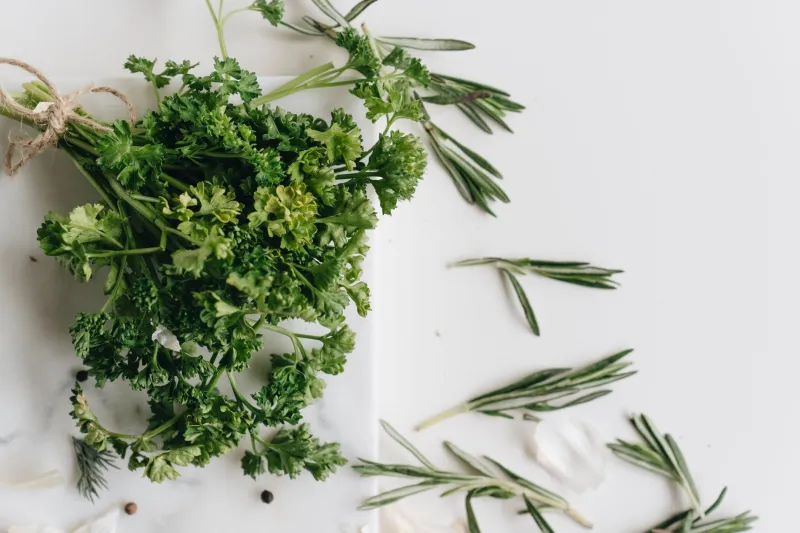
So when the first proper cold snap arrived this month, I decided to strip things back for seven days. Three products only: a cream cleanser with oat and barley grass, a nettle leaf and wheatgrass mist, and a barrier balm with shea and meadowfoam seed oil. Total cost: £58. I patch-tested behind my ear for two nights before starting. I am not a dermatologist, and this is not a medical trial. It is a diary.
The rules I set myself
No exfoliating acids. No retinoid. No new makeup. Lukewarm water only. I would note how my skin felt in the morning and again before bed, and I would not blame or credit a product for every twinge. I also decided not to change my diet, sleep or the amount of time I spent outdoors, because otherwise the whole thing becomes a guessing game.
The aim was not to prove anything. It was to see whether a simpler grass-botanical routine felt kinder during a week of weather that usually makes my face feel like a crisp packet.
Day 1 — Monday: wind, rain and a tight forehead
The forecast said 6°C with a sharp wind. My forehead felt tight by the time I got to my desk. The cleanser was pleasant — creamy, low-foam, no squeaky feeling afterwards. The mist was cooling, which was nice after a windy walk, though I could not tell you whether the nettle did anything beyond a temporary splash of comfort. The balm was the star: thick enough to feel protective, but it sank in after about ten minutes.
By evening, my cheeks were still pink. That is normal for me in cold weather. No stinging, which I counted as a win.
Day 2 — Tuesday: the radiator test
My office radiator has two settings: off and Sahara. By lunchtime my cheeks felt warm and slightly rough. I misted again, which was refreshing, then added a thin layer of balm over the top. It helped with the tight feeling, though it did make me look slightly shiny on a video call.
The cleanser continued to be unremarkable in the best way. No tightness after washing. No obvious residue.
Day 3 — Wednesday: the missed step
I forgot the mist. By mid-afternoon my skin felt tighter than it had on Monday. That could be the weather, the missed step, or simply my face being my face. I am including it because it is the sort of thing a seven-day diary should admit: one missed product does not equal a controlled experiment.
I misted when I got home and felt instantly more comfortable. Instant comfort is not the same as long-term benefit, but it is not nothing.
Day 4 — Thursday: a patch-test reminder
A small dry patch appeared beside my nose. It was there before I started, and it did not get worse. I kept the balm on it and resisted the urge to scrub. This is the bit where I remind you that patch testing matters. A grass extract can be perfectly lovely and still not agree with your skin. If you are reactive, test on a small area first and give it a couple of days.
Day 5 — Friday: office stuffiness
Another cold, bright day. My skin looked calmer in the mirror, though I am wary of saying that too loudly. The redness on my cheeks was less angry than on Monday, but the weather had also changed, and I had slept better. The routine was comfortable, and comfort matters when your skin is chapped.
Day 6 — Saturday: a long walk and a lesson in layers
I walked for two hours in wind and drizzle. When I got home, my face felt raw. The mist was not enough on its own. The balm went on over slightly damp skin and felt much better. If I did this again, I would take the balm out with me rather than leaving it on the shelf.
Day 7 — Sunday: what actually changed
By Sunday evening, my skin felt softer and less tight. The dry patch was still there but less rough. The redness had not vanished, because November does not work that way. I had used the routine twice a day, missed one mist, and spent £58 on three products that did what I wanted: they cleaned, they comforted and they did not make things worse.
What I cannot tell you is whether the grass botanicals were the reason. A seven-day test in changing weather, with one person and no control group, is not evidence. It is a diary with a notebook. The cleanser could have been any gentle cream cleanser. The mist could have been water in a nice bottle. The balm was the product I would buy again, because it was the one that made the biggest difference to how my skin felt in cold wind.
What I would keep and what I would change
I would keep the balm and the cleanser. I would probably swap the mist for a simpler hydrating toner, because I could not justify the extra step on most days. I would also start using the balm earlier in the week rather than waiting for my face to feel raw.
The bigger lesson is about restraint. When skin is chapped, the temptation is to add more: more actives, more exfoliation, more ‘fixing’. For me, this week worked better with less. That is not a universal rule. It is just what happened when I gave my face a break and a bit of grass-botanical comfort.