Soot, Sparklers and Tight Cheeks: A Grass-Botanical Reset for Smoke-Exposed Skin

Photo: Peter Trimming, CC BY-SA 2.0, via Wikimedia Commons
Bonfire Night has a particular aftermath. Your coat smells of woodsmoke, there is grit on the windowsill, and by the next morning your cheeks feel both tight and slightly grubby. If your skin is reactive, the combination of smoke, heat, cold air and a late night can show up as redness, dryness or a stinging feeling when you apply your usual serum.
This is not a reason to panic-buy a ten-step recovery kit. In fact, the opposite is often more sensible. Smoke-exposed skin tends to benefit from a short, gentle reset: remove the film, calm the irritation, then rebuild moisture without overloading the barrier.
What Bonfire Night actually leaves on your skin
Bonfire smoke is not just a smell. It carries particulate matter — tiny pieces of soot and ash — that can settle on the skin alongside everything else in the air. Add heat from the fire, then a walk home in November cold, and the skin barrier has had a busy evening. The barrier is the outer layer that helps hold water in and keep irritants out. When it is stressed, skin can feel tight, look dull and react more sharply to products that are normally fine.
There is also the practical stuff. You may have been closer to the fire than you realised, touched your face after handling sparklers, or gone to bed without cleansing properly. None of that is a moral failing. It is just a reason to be kind to your skin the next day rather than reaching for a scrub and a strong acid in the same routine.
Start with a gentle cleanse, not a stripping one
The first job is to remove soot and smoke residue without turning the bathroom into a chemistry experiment. A lukewarm cleanse is usually enough. Hot water can feel lovely on a cold face, but it is not especially helpful for skin that is already feeling tight.
Look for a cream or milk cleanser that rinses clean without leaving a squeaky finish. If you double cleanse, keep the second cleanse light. This is not the morning for a gritty exfoliant or a cleansing brush. The aim is to lift the grime, not to scrub the barrier into submission.
Hard water is a familiar issue for plenty of UK households, and it can make some cleansers feel more drying than expected. If your tap water leaves a film on the basin, use it lukewarm and pat dry rather than rubbing. A soft flannel and a gentle press-and-roll motion is kinder than a vigorous towel-dry.
Oat grass: the quiet calmer
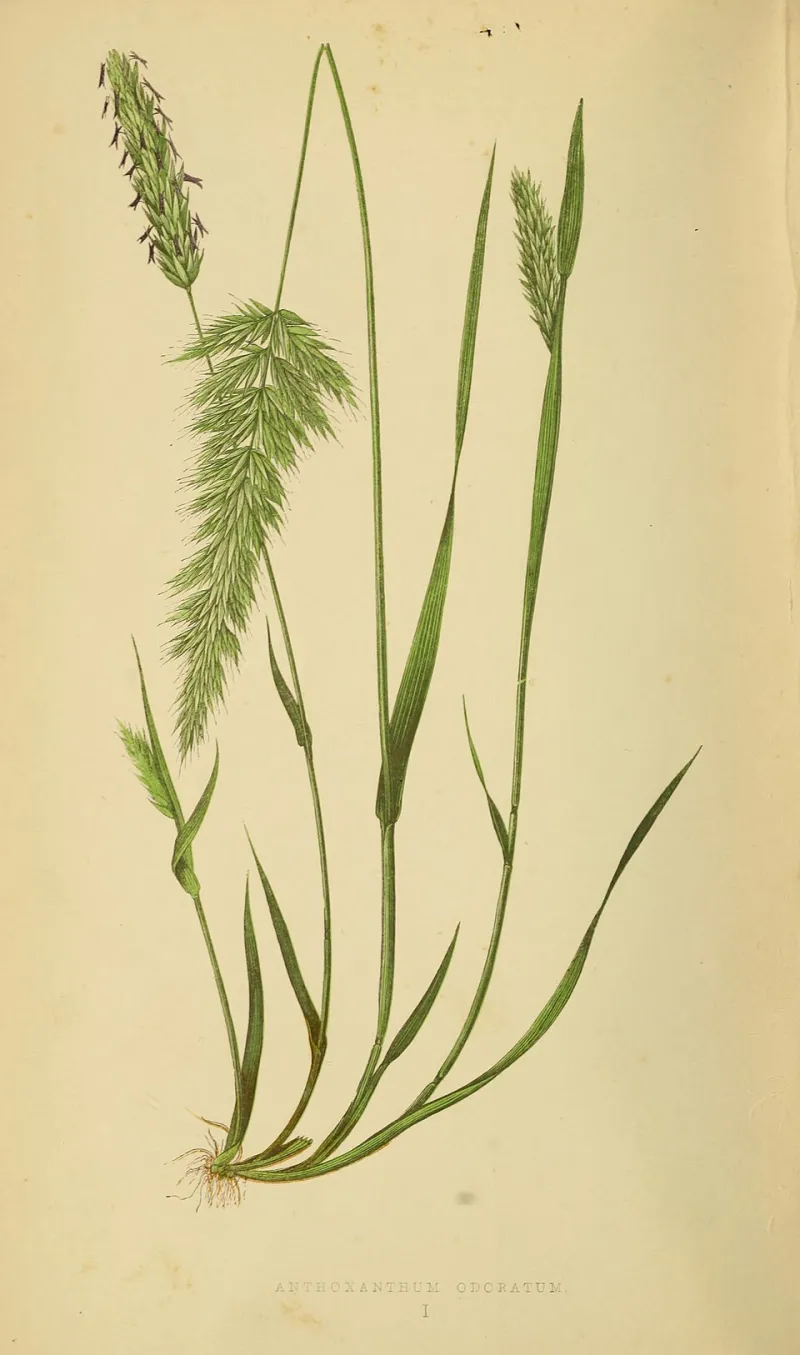
Oat grass is one of those ingredients that sounds almost too gentle to matter, which is precisely why it suits this kind of routine. It is not a dramatic active. It is a supporting ingredient — the sort that fits into a calming toner, essence or light lotion when skin needs less stimulation rather than more.
In a post-fireworks routine, oat grass is a sensible bridge between cleansing and moisturising. Apply it to slightly damp skin and let it settle for a minute. You do not need to layer three calming products on top of each other. One well-formulated step is often more useful than a shelf full of half-used bottles.
Barley grass: hydration with a greener edge
Barley grass brings a fresh, grassy note to skincare and is often used in products aimed at hydration and antioxidant support. It will not neutralise smoke exposure on its own, and no ingredient can promise that. What it can do is fit neatly into a lightweight hydrating layer that helps skin feel less parched after a cold night out.
If your skin is prone to congestion, a barley grass-based lotion or gel-cream can be a better choice than a rich balm during the day. Save the heavier moisturiser for the evening, when you are not heading back out into the wind. Think of it as dressing for the weather: light layers in the morning, a warmer blanket at night.
Nettle: for the day after, not the night of
Nettle has a long folk reputation in British skincare, and it appears in more grass-inspired formulas than you might expect. In practice, it is best treated as a calming botanical rather than a cure-all. If you have sensitive skin, patch-test anything new, especially after a night when your face has already been through smoke and cold.
A nettle-infused toner or a simple nettle and oat grass mask can be a pleasant way to spend ten minutes on the sofa with a cup of tea. Keep it short. Leave-on products are usually more reliable than leaving a mask on until it dries, which can draw moisture away from the skin.
Rebuild moisture without overloading reactive skin
The moisturising step is where many people overcorrect. After a night of smoke and cold, it is tempting to apply a thick balm, a facial oil and a sleeping mask all at once. If your skin is reactive, that can feel suffocating rather than soothing.
A better approach is a simple moisturiser with a mix of humectants and emollients, applied in a thin layer while the skin is still slightly damp. If you want an overnight boost, use a small amount of oil only where you actually feel dry — usually the cheeks and around the mouth — rather than across the whole face.
Keep the rest of the week boring
Recovery routines work best when they are a bit dull. For the next few days after Bonfire Night, skip the strong exfoliants, the high-strength retinoids and the hot yoga class if your skin is already flushed. Use sunscreen in the daytime, even if the sky is grey, because stressed skin still needs protection from UV.
And if the redness, stinging or dryness does not settle after a week, speak to a pharmacist or GP. A skincare routine can support the barrier, but it is not a substitute for medical advice.
Bonfire Night is a few hours of smoke and sparkle. Your skin does not need a dramatic recovery plan — just a gentle cleanse, a calming grass botanical or two, and enough moisture to help it settle back into its usual rhythm.