Cold Standpipes and Clay Soil: Keeping Allotment Hands Workable Through Winter

Photo: Mr Ignavy , CC BY-SA 2.0, via Wikimedia Commons
Winter allotments are not romantic. The seed catalogues make them look like frosted magazine shoots, but the reality is a cold standpipe, a muddy fork, a shed that smells of damp wood and a pair of gloves that never quite dried. Hands take the brunt of it. They crack across the knuckles, sting when you run them under the tap and feel tight by the time you get back to the car.
This is not a plea for a ten-step hand ritual. Allotment growers need a routine that survives real plot conditions: clay soil, repeated washing, wind and the kind of cold that makes you work faster than you should. The aim is simple. Keep hands workable, reduce the tightness and give the skin barrier a fair chance between weekends.
Why winter hands fail before the first frost
Skin on the back of the hands is thin, exposed and asked to do a lot. It has fewer oil glands than the face and almost no padding compared with the palms. When you add cold air, low humidity and frequent contact with water, the outer layer of skin loses flexibility. That is when the small cracks appear around the nails and between the fingers.
Allotment work layers on extra pressure. Soil is not just dirt; it is a mix of mineral particles, organic matter and whatever the weather has done to it. Wet clay clings, dries hard and takes skin oils with it. A cold standpipe is a particular British plot villain: the water is freezing, the tap is stiff and you wash more often than you would at home because there is no warm towel waiting.
Soil, standpipe, wind: the three stresses
Soil contact is abrasive and drying. It gets into the creases of the hands and under the nails, and the instinct is to scrub it out with hot water and a strong soap. That combination can leave skin feeling stripped.
Cold water is the second stress. It does not dissolve oils as effectively as warm water, so people often use more soap or wash for longer. The result is a double hit: water loss plus surfactant residue.
Wind is the third. An open allotment site in January has no shelter from a breeze that runs across the plots. Wind speeds up water loss from exposed skin, especially when you move between digging, standing around and going in and out of a shed.
What a sensible winter hand routine needs
Before choosing a balm or a cleanser, it helps to set criteria. A good winter hand product for allotment growers should do four things.
- Clean without stripping. Look for gentle surfactants, short ingredient lists and no strong fragrance if your skin is already sore.
- Support the barrier. Humectants such as glycerin draw in water, while occlusives such as shea butter, beeswax or plant oils help slow water loss. You want both, not just a greasy layer.
- Stay practical. A balm that never sinks in is useless if you need to hold a fork. A lighter cream may suit the morning, while a richer balm can go on at night.
- Be honest about botanicals. Oat, clover and nettle are useful supporting ingredients, not magic. They should sit in a formula that already makes sense for dry, stressed skin.
A short routine for plot days and shed days
Before you leave. Apply a thin layer of barrier balm to the backs of the hands, knuckles and nail folds. You are not trying to create a waterproof glove; you are giving the skin a little slip before it meets wet clay. Put your gardening gloves on over the top. If your gloves are damp from last week, dry them on a radiator or replace them. Damp gloves are their own small weather system.
At the standpipe. Use cool or lukewarm water if you can, and a gentle hand wash rather than washing-up liquid. If the plot tap is freezing, wash quickly and pat dry with a clean cloth rather than letting hands air-dry in the wind. Keep a small towel in your coat pocket. It sounds fussy; it is actually one of the most useful winter allotment purchases you can make.
After digging. Rinse soil off with cool water, not hot. Use a soft nail brush only where needed, and avoid scrubbing the skin itself. Pat dry, then reapply a barrier balm while the skin is still slightly damp. This is the moment that matters most. If you wait until you are home and the skin is tight, you have missed the easiest window.
Before bed. Wash hands with a gentle cleanser, pat dry and apply a richer balm. If the knuckles are very rough, use a little more and let it sit. Cotton gloves are optional; some people find them cosy, others find them annoying. The balm matters more than the theatre.
The grass-botanical shortlist: oat, clover and nettle
Colloidal oatmeal is the quiet workhorse here. It is not a scrub; it is a finely milled oat preparation used for its soothing and barrier-supporting properties. In a hand cleanser or cream, it suits skin that feels itchy or tight after cold water. Oat is also a familiar UK kitchen ingredient, which makes it easy to trust in a formula.
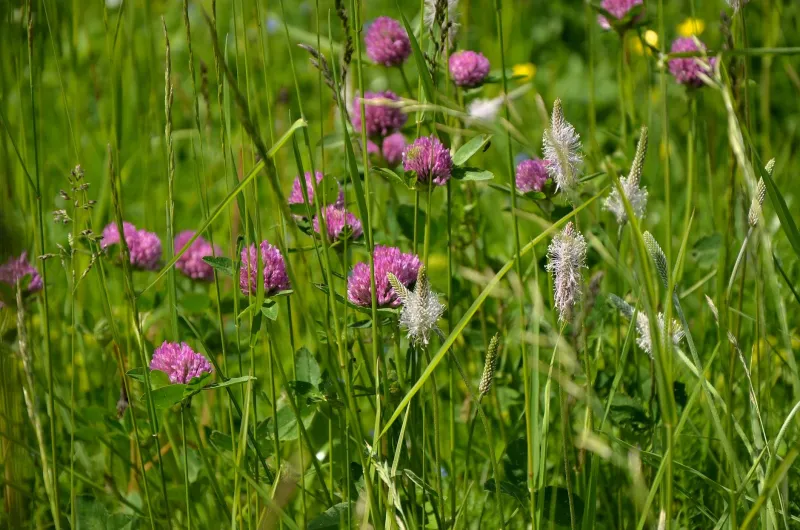
Clover extract is a softer addition. Red clover and white clover are part of the British meadow vocabulary, and clover extracts are used in skincare for their antioxidant and conditioning support. In a hand balm, clover is not going to transform cracked skin on its own, but it fits the grass-botanical brief without adding a heavy scent.
Nettle is the one to treat with a little respect. Nettle leaf extract appears in soothing and conditioning formulas, and it has a long folk history in British hedgerows and gardens. On winter hands, it is best used as a supporting extract in a fragrance-free balm rather than as a strong-smelling hero ingredient. If your skin is reactive, patch test first.
What I would leave on the shelf
A hand product does not need to smell like a meadow to work. In fact, for chapped winter hands, a strong fragrance is often the least helpful thing in the bottle. Avoid heavily perfumed balms, essential-oil blends that sting, and cleansers that leave the skin squeaky. Squeaky is not clean; it usually means the barrier has been over-cleaned.
Also be wary of products that promise to repair soil damage while listing drying alcohol high up the ingredients. And do not rely on a single miracle balm if you are washing your hands ten times a day at the plot. Frequency is part of the problem, so the routine has to be repeatable.
The handshake test
A good winter hand routine has a simple measure: can you shake hands at the allotment gate without wincing? If your knuckles are still tight and the skin between your fingers is raw, the routine needs less washing and more barrier support. If your hands feel supple enough to tie a bean row or open a thermos, you are on the right track.
The British winter does not need to be defeated with a cabinet of products. It needs a short, repeatable routine that respects cold water, wet soil and wind, and a few grass-botanical ingredients that support the skin rather than decorate the label.