When Your Nose Rejects the Meadow: A Cautious Case for Grass Botanicals
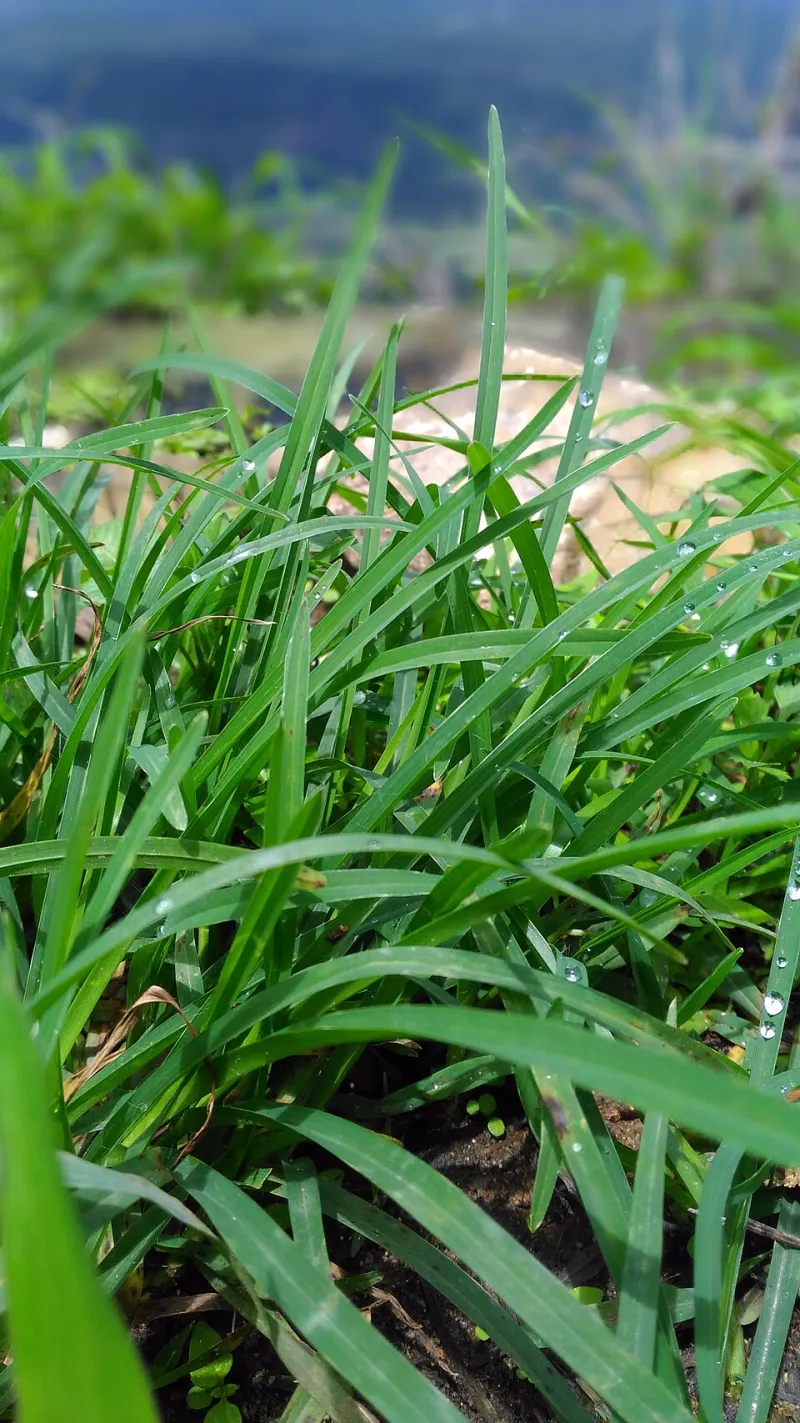
Photo: Saikumar45, CC BY-SA 4.0, via Wikimedia Commons
Hay fever in the UK is about as British as a bank holiday washout. If you spend from April to September sneezing at every walk through the park, the idea of putting anything labelled 'grass' on your face probably sounds daft. Fair enough. But there's a useful distinction between the pollen that irritates your nose and the grass-derived ingredients that turn up in skincare — and it's worth understanding before you write off the whole meadow.
Pollen proteins and skincare extracts are not the same thing
A pollen allergy is an immune reaction to specific proteins carried in airborne pollen grains. In the UK, grass pollen is the usual suspect from late spring into summer, and the MET Office pollen count becomes a daily talking point for plenty of us. Skincare extracts are made differently. They're usually produced by soaking plant material in water, glycerin or another solvent, then filtering and preserving the result. The aim is to capture water-soluble compounds, not to bottle pollen grains.
That doesn't make plant extracts risk-free. They can still contain proteins, and any plant material can carry allergens. But the route of exposure is different: a patch of cream on your cheek is not the same as inhaling a cloud of pollen on a windy day. Your nose might have strong opinions about grass pollen while your skin barely notices a well-formulated barley grass extract. Equally, your skin might react to something in the cream that has nothing to do with grass at all — fragrance, preservatives, emulsifiers. It cuts both ways.
What 'grass' actually means on a label
The word 'grass' is a broad church. In UK skincare you might see barley grass, wheatgrass, oat grass, perennial ryegrass, cocksfoot, meadow foxtail or Kentucky bluegrass. Some products use pressed juices or powders; others use glycerin extracts. The INCI list will usually give you a clue: Hordeum vulgare extract (barley), Triticum aestivum extract (wheat), Avena sativa (oat), Lolium perenne (ryegrass), Phleum pratense (timothy grass), Poa pratensis (meadow grass). None of those automatically mean pollen.
Then there's the separate issue of 'grass' as a fragrance. A product that smells like a freshly mown lawn may contain a fragrance blend, essential oils or synthetic aroma chemicals. That's a different allergy story, and one that reactive skin often dislikes. If your skin is sensitive, a fragrance-free grass extract is usually a safer bet than a perfumed product with no grass in it at all.
The cross-reactivity caveat
Here's where it gets a bit more nuanced. Some people with grass pollen allergy also react to cereal grains — wheat, barley, rye — especially when they eat them, thanks to cross-reactivity between similar proteins. That's often discussed in the context of oral allergy syndrome, with itchy mouth or throat after certain foods. Skin reactions are less common, but they're not unheard of. If you already know you react to cereal grains or have had a skin reaction to a plant-based product before, be more cautious with grass extracts. That's not a reason to panic; it's a reason to patch test.
A patch-test protocol worth following
Patch testing at home is not a guarantee of safety, but it's a sensible way to reduce the odds of a nasty surprise. Here's a practical routine:
- Choose a small area of unbroken skin, usually the inner forearm. Avoid the face, neck or anywhere you've had a reaction before.
- Apply a pea-sized amount of the product and cover it with a plaster or a small patch. Don't rub it in.
- Leave it alone for 48 hours, keeping it dry. Check at 24 hours, then again at 48. Some reactions show up later, so 72 hours is even better if you can manage it.
- Look for redness, itching, swelling, burning or a raised rash. If anything happens, remove the patch, wash the area gently and stop using the product.
- Test one new product at a time. If you introduce three things at once, you'll never know which one caused the problem.
- If you've had a severe reaction to grass pollen or any skincare product in the past — swelling, breathing trouble, widespread hives — speak to your GP or a pharmacist before experimenting. A home patch test isn't the right tool for that situation.
Keep a note of what you tested and when. It's boring, but it's useful when you're trying to work out whether a product suits you.
A 2026 ingredient checklist for the grass-curious
If you want to explore grass botanicals without diving in blind, scan for these:
- Named extracts rather than vague 'botanical blend' language: Hordeum vulgare, Triticum aestivum, Avena sativa, Lolium perenne, Phleum pratense, Poa pratensis.
- Fragrance and essential oils, especially if your skin is reactive. 'Parfum' or 'fragrance' can be the real culprit, not the grass.
- Preservatives you know you react to, such as methylisothiazolinone or other 'MI' ingredients.
- Clear allergen information. A brand that tells you what's in the product and what it's derived from is easier to trust than one that just says 'grass-powered'.
- A patch-test plan. Even a 'natural' product deserves one.
The bottom line
Grass pollen and grass skincare live in different lanes, but they're not completely separate universes. If you have hay fever, you don't have to avoid every grassy ingredient on principle — but you shouldn't assume they're all harmless either. Patch test, read the label, introduce one thing at a time, and ask a professional if you're unsure. Your nose can keep its opinions. Your skin gets a vote too.