The Hedgerow Receipt: What ‘Wildcrafted’ Owes You in 2026
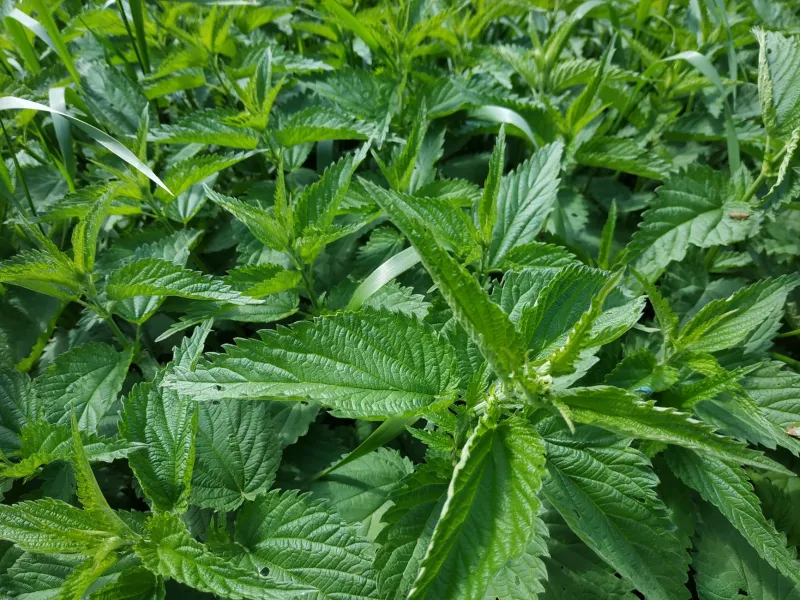
There is a particular romance to a British hedgerow in November. The nettles have gone leathery, the yarrow is down to its last flat umbels, and plantain ribs are still doing their stubborn thing in the verge. It is easy to see why skincare brands like a wild-gathered story. It sounds rooted, seasonal and a bit more honest than a tank of something synthesised in a lab.
But the hedgerow is not a shelf. It is a habitat, often a boundary, sometimes a legally protected site, and almost always somebody’s land. So when a UK label says ‘wildcrafted nettle’ or ‘hand-gathered yarrow’, what should a sensible shopper actually expect? Not a fairy tale. A receipt.
The difference between a story and a supply chain
‘Wildcrafted’ is a lovely word because it implies care and craft. It is also vague enough to mean almost anything. It might describe a small batch of nettle tops collected with the landowner’s blessing from a Sussex meadow. It might also be used loosely for plant material bought through a wholesaler with no clear origin beyond ‘Europe’.
That does not make every wild claim suspect. It does mean the claim needs detail. In 2026, a brand asking you to pay a premium for a hedgerow ingredient should be able to tell you the species, the plant part used, the region of harvest, whether the material was genuinely wild or cultivated, and roughly when it was collected. If the answer is only ‘it’s wildcrafted’, you have been given atmosphere, not information.
This is not about demanding a Ordnance Survey grid reference on the jar. It is about basic traceability. A responsible wild-gatherer keeps records: where they went, who gave permission, what they took and how much. A responsible brand should be able to summarise that without giving away a fragile site.
Permission is not a technicality
In the UK, the law around wild plants is more nuanced than the foraging memes suggest. Picking a few leaves for personal use is one thing; uprooting plants without the landowner’s permission is another. Commercial gathering, especially at the scale needed for skincare, should always involve clear consent from whoever manages the land. On protected sites such as Sites of Special Scientific Interest, there may be additional consent requirements.
Common land is not a free-for-all either. It is common land, not public property with a side order of nettle soup. Roadside verges can belong to councils or private landowners, and they can be subject to cutting schedules and safety rules. A brand that treats ‘wild’ as ‘nobody owns it’ has skipped the most important part of the story.
The useful question is not ‘Is this wild?’ but ‘Who agreed to this harvest, and what did they agree to?’ If a label cannot answer that in any form, the romance starts to look like a cost-saving exercise.
What sustainable quantities actually look like
Nettle, yarrow and plantain are not rare in Britain. That is part of their appeal. But common does not mean infinite, and a hedgerow that is repeatedly stripped in the same season is not being cared for. Good wild harvesting is seasonal, selective and modest. It leaves enough leaf, flower and seed for insects, birds and the plant’s own regeneration.
For nettle, that might mean taking upper leaves from a healthy stand rather than mowing a patch to the ground. For yarrow, it means not clearing every flowering head from a verge. For plantain, it means avoiding the tempting urge to uproot whole plants when a leaf harvest will do. These are not glamorous details, but they are the difference between using a plant and using up a place.
A brand does not need to publish its full harvest diary. It should, however, be able to explain whether it works with a named grower, a conservation partner or a small-scale forager, and whether quantities are capped. ‘Wildcrafted’ with no sense of scale is just a word with a wicker basket.
A practical checklist for grassy, wild claims
When you are standing in a shop or scrolling a product page, these are the questions worth asking:
- Species: Is the plant named clearly, not just described as ‘wild greens’ or ‘meadow extract’?
- Plant part: Leaf, flower, seed or root? This affects both sustainability and what the ingredient can reasonably do.
- Origin: Is the harvest region stated? ‘British hedgerows’ is a start; ‘Kent, harvested with permission from a partner farm’ is better.
- Wild or cultivated: Some brands use ‘wild’ for plants that are actually cultivated. That is not a crime, but it should be clear.
- Permission: Does the brand mention landowner consent, a conservation body or a responsible foraging policy?
- Records: Can customer service tell you about batch traceability or harvest timing without a month of emails?
- Quantity: Is there any indication that harvests are limited or rotational?
- Certification: If a scheme is claimed, is it named and checkable? Do not assume a leaf logo equals a full audit.
You do not need to interrogate a small brand like a detective. One polite email is usually enough. If the reply is thoughtful and specific, that tells you something. If it is a paragraph of meadow poetry with no facts, that tells you something too.
The cultivated option is not a failure
There is a tendency to assume wild-gathered is automatically more ethical than cultivated. It is not that simple. A well-run farm can grow nettle, yarrow or plantain with lower pressure on fragile habitats, predictable quality and a clearer supply chain. A poorly managed wild harvest can do more damage than a boring field of crops.
The best answer is probably a mix: wild gathering where it is genuinely appropriate, cultivated supply where volume is needed, and honest labelling either way. A brand that says ‘grown in Wales’ rather than ‘wildcrafted’ is not less romantic. It is just giving you a cleaner story.
The Grass Skincare take
Wild-gathered British botanicals can be a good thing. They can connect a product to a place, a season and a way of working that feels more grounded than another generic extract. But the hedgerow is an ecosystem before it is an ingredient list. A responsible shopper should not have to choose between nice packaging and a basic paper trail.
So keep the romance, by all means. Just ask for the receipt. If a brand cannot tell you what it gathered, where it came from and who said yes, then ‘wildcrafted’ is doing more decorative work than it should. The hedge deserves better, and so does your skin. This is general editorial advice, not legal guidance; if you are foraging or formulating commercially, check the rules for your own site and local authority.