The Armpit Audit: What British Grass Extracts Can and Can’t Do in Natural Deodorant
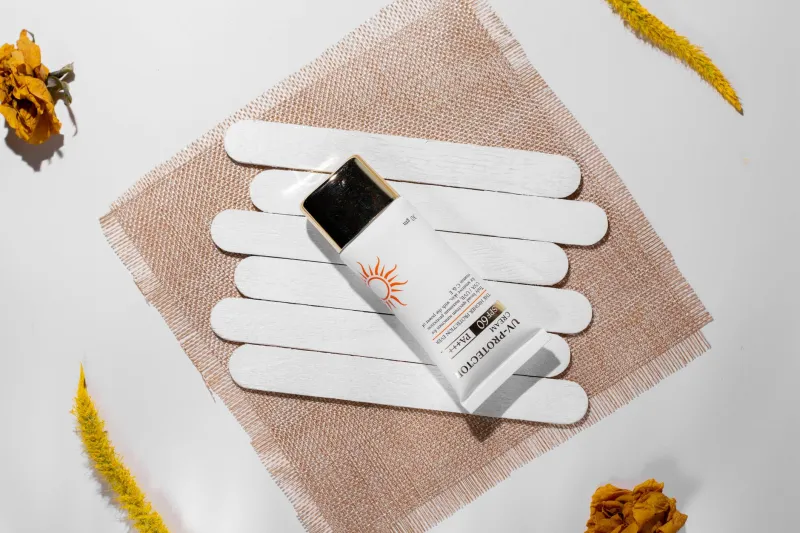
Photo: natural deodorant stick with green botanical ingredients on bathroom shelf UK, via i5.walmartimages.com
Natural deodorant is a crowded shelf. In the UK, the category now runs from refillable sticks in health shops to cream deodorants sold online with promises of ‘meadow freshness’ and ‘botanical protection’. Grass-derived ingredients are beginning to appear in the mix, usually as perennial ryegrass, barley grass or clover extracts. The question is not whether they sound pleasant. It is whether they belong in an underarm product at all — and if so, in what role.
First, separate sweat from smell
A deodorant is not an antiperspirant. Sweat itself is mostly water and salt; the smell comes later, when skin bacteria get to work on secretions in a warm, damp, hairy environment. Antiperspirants use aluminium salts to reduce sweat flow. Deodorants take a different route: they may lower odour directly, adjust skin pH, or make the underarm less hospitable to odour-forming bacteria. Some simply add fragrance to mask what is already there.
That distinction matters because no grass extract is going to stop you sweating. If your main concern is wet patches on a shirt during a commute or a meeting, a botanical deodorant is the wrong tool. If your concern is smell and you are comfortable with a deodorant-only approach, grass extracts have a plausible supporting role — but not a starring one.
What the grasses can bring
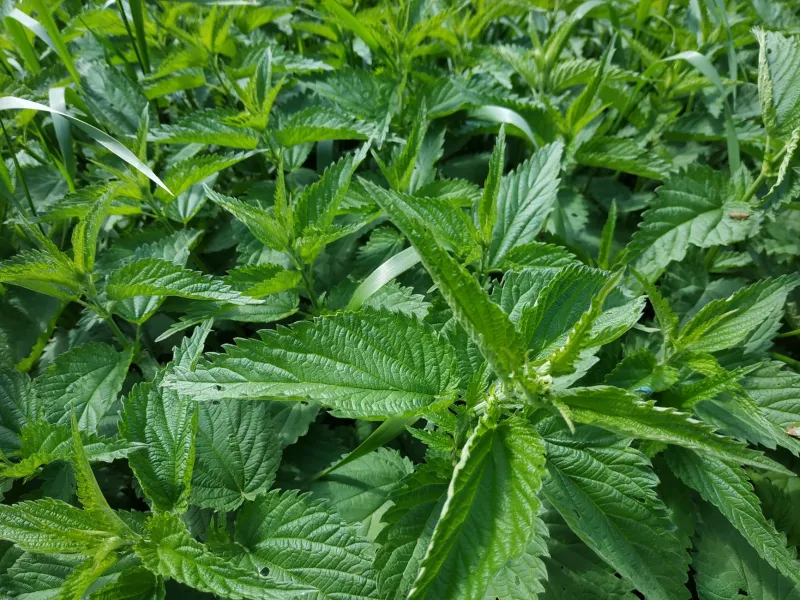
Perennial ryegrass extract is the one most likely to appear in UK formulations. It is often included for antioxidant activity and, in some supplier data, antimicrobial potential. Barley grass is usually sold on its vitamin and mineral story, with antioxidant claims attached. Clover extracts are more often used for soothing and skin-conditioning language. None of this is nonsense, but it is not the same as proof that a deodorant will keep you fresh through a hot Tube carriage.
Most of the evidence for these extracts is laboratory-based or supplier-led. A petri dish is not an armpit. The underarm has a specific mix of bacteria, a high humidity environment and a constant supply of secretions. A grass extract that looks promising in a lab may be present at a tiny level in the finished product, or may be overwhelmed by the rest of the formula. Fair-minded brands will say this. Less careful ones will turn ‘antioxidant’ into ‘odour control’ without showing the join.
The formulation is the real story
A deodorant is a formula before it is an ingredient list. Water-based creams and sticks need a preservative system, because water plus skin warmth plus repeated finger contact is a microbiological risk. Grass extracts do not replace preservatives. In fact, a botanical extract can add to the microbial load if the formula is poorly designed. Anhydrous balms avoid water, but they still need a sensible base of oils and butters, and they can feel heavy in summer.
The other common pitfalls are familiar: bicarbonate of soda can irritate sensitive underarms, essential oils can sting after shaving, and fragrance can be the very thing a reactive person needs to avoid. ‘Natural’ is not a synonym for ‘gentle’. Clover and barley grass extracts may be low-risk for most people, but anyone with a known grass-pollen allergy should be cautious, and anyone with eczema or broken skin should patch-test first. If a product smells strongly of cut grass, that is likely fragrance, not the extract doing useful work.
How to read a grassy deodorant label
Look for the full ingredient list, not the front-of-pack story. Extracts are usually listed after water and the main base ingredients, which tells you they are present in small amounts. That is not automatically bad; many actives are used at low levels. But it does mean you should not pay a premium for a sprinkle of ryegrass if the rest of the formula is a basic oil blend with a strong scent.
In 2026, UK shoppers can find grass-leaning deodorants in independent health shops, refill stores and online. Availability is still patchy, and refill options are not always as low-waste as they look once you count the travel and packaging. A sensible approach is to choose a fragrance-free or lightly scented formula if your skin is reactive, check whether the brand gives any percentage or supplier detail for its extracts, and avoid anything that claims to both stop sweat and stay entirely aluminium-free. That is not how antiperspirants work.
Patch-test like you mean it
Do not test a new deodorant straight after shaving. Apply a small amount to the inner forearm first, then to a small patch under one arm after 48 hours if there has been no reaction. Give it two or three days of normal wear before deciding. Underarm skin is thin and folds on itself; a reaction can take a while to show. If you get itching, redness, peeling or a rash, stop using it. If you have persistent strong odour, pain or a lump, that is a conversation for a pharmacist or GP, not a skincare article.
The fair verdict
British grass extracts can earn a place in natural deodorant as supporting ingredients: antioxidants, mild antimicrobial plausibility and soothing conditioning are all reasonable roles. They cannot replace an antiperspirant, and they should not be sold as a guaranteed cure for body odour. The best grassy deodorants will be honest about that, use a well-preserved formula, keep fragrance sensible and treat ‘natural’ as a starting point rather than a safety badge. If a botanical stick works for you, enjoy it. Just do not let the meadow language do the heavy lifting that the formula should be doing.