The Twelve-Quid Tub and the Forty-Eight-Quid Jar: A Grass Moisturiser Value Audit
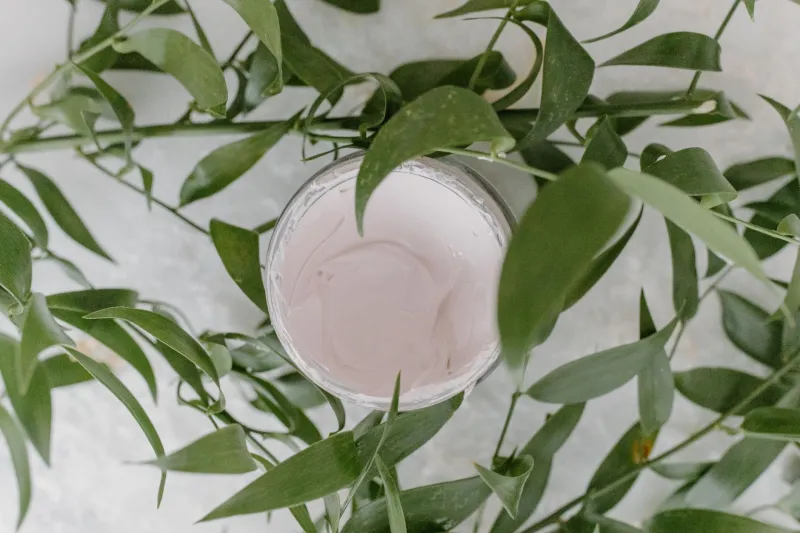
There is a particular kind of British shopping moment that goes like this: you are standing in a supermarket beauty aisle with a £12 own-brand grass-inspired moisturiser in one hand and, on your phone, a £48 British meadow-botanical cream in the other. Both promise calm, green, outdoorsy skin. One costs less than a decent lunch; the other costs less than a train ticket to somewhere nicer. The question is not which one is morally better. It is what the extra £36 actually buys.
This is not a hunt for a villain. A small British brand making a meadow cream in short runs may have real costs that a supermarket own-label simply does not. Equally, a premium price is not proof of a superior formula. The useful approach is to read the tub like a shopper, not a poet.
Start with the tub, not the story
Ignore the front of the pack for a minute. Turn it over. In the UK, the ingredient list — the INCI — is ordered by concentration until you reach 1%, after which ingredients can be listed in any order. That means the first five or six names tell you more about the cream than any meadow photograph.
Most moisturisers, at both price points, begin with water. That is normal. Water is the base, the solvent and the reason the product feels like cream rather than grease. The interesting question is what comes next: glycerin, a lightweight emollient, a butter, a silicone, an alcohol, or a botanical extract. If the grass extract appears after the preservative, it is almost certainly present at a low level. That does not make it useless, but it does mean the cream is not a pint of liquid meadow.
The first five ingredients do most of the talking
A £12 supermarket cream might read: water, glycerin, caprylic/capric triglyceride, cetearyl alcohol, dimethicone, phenoxyethanol, fragrance, grass extract. That is a perfectly serviceable formula. Glycerin is a reliable humectant. Caprylic/capric triglyceride is a light emollient. Cetearyl alcohol is a fatty alcohol that gives body, not the drying kind. Dimethicone adds slip and helps reduce water loss. It may not be glamorous, but it works.
A £48 meadow cream might read: water, glycerin, shea butter, olive oil-derived emollient, cetearyl alcohol, grass extract, fragrance, preservative. The difference is not automatically better performance. Shea butter can feel richer; olive-derived emollients can feel more substantial. But a premium cream can also be lighter than a budget one, or heavier, or simply more elegantly textured. Price does not tell you which your skin prefers.
Humectants: the cheap workhorses
Glycerin is one of the best-value skincare ingredients going. It draws water to the skin and is usually well tolerated. Hyaluronic acid, panthenol, betaine and various sugars can also act as humectants. You will find them in both £12 and £48 creams. A premium product may use a more expensive humectant blend, but the basic job — helping the upper skin hold water — is not reserved for luxury jars.
What matters is the overall balance. A cream that is all humectant and no emollient can feel sticky and leave skin tight again quickly. A cream that is all butter and no water can feel like a candle. The £12 tub is not automatically worse because it uses glycerin rather than a designer humectant. It may simply have spent its budget elsewhere.
Emollients and occlusives: where texture gets expensive
This is where the price gap often starts to make sense. Emollients — plant oils, esters, fatty alcohols, silicones — determine how a cream spreads, absorbs and feels on the skin. Occlusives such as petrolatum, beeswax or certain silicones help slow water loss. A small brand may choose cold-pressed oils, fair-trade shea or a particular grass extract that is expensive to produce. Those choices cost money, and they can change the experience.
But expensive emollients are not the only good ones. A supermarket cream can use well-established, cost-effective emollients that do a decent job. The catch is often texture: budget creams may rely more on silicones or simpler oil blends to hit a pleasant finish. That is not a scandal. It is formulation economics.
Fragrance: the quiet budget line
Fragrance is one of the most useful places to compare value. A meadow cream may include a fragrance to reinforce the green, outdoorsy story. That fragrance can be a simple blend or a more expensive natural-ish accord. It can also be the ingredient most likely to upset reactive skin. If the £48 cream is heavily fragranced and the £12 one is fragrance-free, the cheaper product may be the better choice for sensitive skin.
Do not let the word botanical fool you. Essential oils and plant extracts can be fragrant and irritating. A cream can be green in colour, green in name and still be a poor fit for a flushed, windy face in November. The ingredient list is the equaliser here.
Packaging: the price you can hold
A £48 cream often comes in a heavy glass jar, a metal tube or an airless pump. Those cost more than a basic plastic tub. Airless packaging can protect unstable ingredients and make the product easier to dose. A jar feels lovely but exposes the cream to air and fingers. A tube is usually the most practical for daily use, whatever the price.
Some of the premium price is therefore packaging, postage, small-batch production, certification and the cost of selling to a smaller market. Those are real costs, not cons. But they are not the same as a better formula. If the £12 cream is in a simple tube and the £48 cream is in a heavy jar, part of your money is literally holding glass.
Claims and the meadow premium
British grass-inspired skincare loves a claim: wildcrafted, locally grown, upcycled, pasture-fed, soil-friendly, single-origin. Some of these claims are meaningful. They may reflect genuine sourcing, lower-waste production or a specific extract with a documented story. Others are atmosphere. The phrase grass-fed on a face cream is a good example: it borrows credibility from food without telling you much about the formula.
When you see a premium claim, ask what it changes in the tub. Does it mean a higher concentration of the grass extract? A different extraction method? A certified supply chain? Or just a nicer label? If the answer is not on the pack or the brand's website, treat it as marketing rather than formulation.
What the £36 gap can buy
In broad terms, the extra money in a £48 cream may buy: more expensive emollients, a more refined texture, better packaging, a smaller production run, third-party testing, organic certification, British-grown extracts with traceable sourcing, or simply the cost of running a small business. It may also buy a fragrance, a story and a shelf presence that a supermarket own-brand cannot match.
The £12 cream may buy: a simple, stable formula, a decent humectant, a basic emollient, a preservative system that works, and a tube that survives a handbag. It may also buy less of the expensive stuff and more of the cheap stuff. That is not automatically a bad deal.
A fair verdict for UK shoppers
If your skin is dry, reactive or prone to tightness, start with the ingredient list and patch test. A £48 cream with a long fragrance list may be worse for you than a £12 fragrance-free tube. If your skin is resilient and you mainly want a pleasant daily moisturiser, the budget option may be perfectly adequate. If you want a specific texture, a refillable pot or a traceable British extract, the premium jar may earn its price.
The honest answer is that price tells you about costs and positioning, not about whether a cream will suit your face. The £12 versus £48 comparison is not a morality tale. It is a reminder to read the back of the pack, ignore the meadow for a moment, and ask what you are actually paying for. In 2026, that is still the most useful skincare skill going.