The Locker-Room Handover: A Realistic Grass-Botanical Plan for Pool and Gym Skin
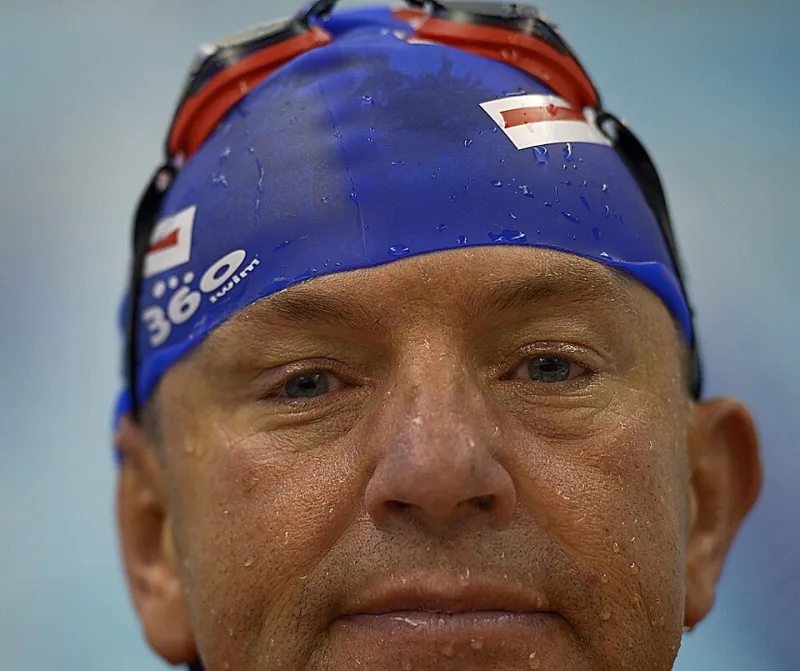
Photo: U.S. Air Force SAF by Tech. Sgt. Anthony Nelson, Public domain, via Wikimedia Commons
There is a particular kind of dryness that shows up after a council-pool swim or a Thursday-night gym session. It is not always dramatic. It is the tight cheek on the bus home, the shin that feels papery under jeans, the hands that smell faintly of chlorine even after a shower. And because it arrives alongside a gym bag, a damp towel and a changing-room mirror with questionable lighting, it is easy to throw three products at it and hope for the best.
Grass-botanical skincare has a fair role here, but it is not the whole story. The useful question is not whether a green balm can undo a swimming pool. It cannot. The useful question is what a sensible grass-led routine can do in the handover between exposure and recovery — and where you should stop expecting botanicals to perform miracles.
First, the difference between chlorine and sweat
Chlorine exposure and sweat exposure are not the same problem wearing different gym clothes. Pool water can leave skin feeling stripped, especially if you swim regularly and shower afterwards with a brisk, foamy gel. Chlorine also lingers in the nose and on the skin surface, and the usual response — a hot shower and a quick rub with a towel — can add to the tightness.
Sweat is a different conversation. After a gym session, skin may be oily in some places, dry in others, and irritated where a strap, waistband or sweaty hairline has been sitting against it. Shared changing rooms add their own small friction: quick showers, alcohol gel, dry air, and the temptation to use whatever body wash is bolted to the wall.
So the first rule is simple: treat pool skin as exposed and likely to need rinsing and barrier support; treat gym skin as a cleansing and comfort job, with extra attention to folds, feet and anywhere clothing has rubbed. A single grass-botanical body cream can suit both, but it should not be asked to replace basic hygiene or sun protection.
What a grass-botanical cleanser can actually do
A mild, low-foam cleanser with a grass extract — perennial ryegrass, barley grass, wheatgrass or oat grass are the usual UK label names — can be a pleasant option after exercise. The grass extract is not a magic de-chlorinating ingredient. It is there as part of a formula that should be judged on the whole picture: surfactant type, pH, fragrance level and how your skin feels twenty minutes after drying.
For post-pool use, look for a cleanser that rinses cleanly without that squeaky, stripped feeling. For post-gym use, the same applies, though you may want something that copes with sunscreen or heavy workout balm on the body. If you have used a thick pre-workout cream or a waterproof sunscreen, a single gentle cleanse may not be enough; a second pass on the body is often kinder than scrubbing.
What a grass-botanical cleanser should not do is promise to neutralise chlorine, detox the skin or replace a proper shower. If a label leans hard on those words, treat it as marketing rather than chemistry. The boring version — rinse well, cleanse gently, pat dry, moisturise — is the version that tends to work.
The ingredients worth scanning for
In UK formulations, the supporting ingredients often matter more than the headline grass extract. For post-swim and post-gym skin, these are worth a look:
- Oat kernel flour or colloidal oatmeal — a familiar comfort ingredient in body washes and creams, especially useful when skin feels itchy or rough.
- Glycerin — a reliable humectant that helps skin feel less tight after washing. It appears in plenty of inexpensive body creams for good reason.
- Panthenol — often included in after-sun and barrier-style products; useful for a calming, comfortable feel.
- Squalane, shea butter or beeswax — occlusive-leaning ingredients that help slow water loss. A little goes a long way on shins, elbows and hands.
- Grass extracts used sensibly — ryegrass, barley grass and wheatgrass extracts can be part of a nice formula, but they are not a reason to ignore fragrance or drying alcohol high in the list.
What to avoid is less glamorous: high-fragrance body products straight after a swim, harsh scrubs on already-tight skin, and anything that stings. If your skin is cracked, raw or properly inflamed, a pharmacist or GP is a better stop than the skincare aisle.
A simple evening recovery routine
This is not a ten-step ritual. It is a handover plan for the nights you have been in the pool or on the gym floor.
1. Rinse first. At the leisure centre, rinse off in lukewarm water. Keep it short. If the shower gel on offer is heavily perfumed, use less of it or bring your own small bottle.
2. Cleanse the body gently at home. A low-foam grass-botanical cleanser is fine if your skin likes it. Use hands or a soft cloth, not a scratchy mitt. Pay attention to the backs of the knees, underarms and anywhere a sports bra, swimsuit strap or waistband has sat.
3. Pat dry and moisturise while skin is still slightly damp. This is the step people skip when they are tired. A grass-infused body cream or balm works best here — not because the grass is doing something dramatic, but because the cream is helping to hold water in.
4. Use a plain occlusive on the rough bits. Lips, nostrils, knuckles, heels and any patches that feel chapped often do better with a simple petrolatum-based balm or a thick unscented salve than with a scented green cream. There is no shame in keeping both in the cupboard.
5. Deal with the smell, not the skin, if that is the issue. Chlorine smell on skin usually fades with rinsing and a normal shower. A fragranced body mist is not a recovery step; it is perfume. If the smell bothers you, wash your swimwear properly and rinse your hair, rather than layering more scent onto dry skin.
Where the plain occlusive still wins
This is the part that grass-botanical marketing rarely puts on the poster: for genuinely dry, cracked or wind-whipped skin, a plain occlusive is often the most useful product in the bag. That might be a basic petrolatum balm, a dimethicone-rich barrier cream or a simple unscented salve. It is not fashionable, and it does not smell of a meadow. It also does not need to.
Grass botanicals can make a routine more pleasant and can support a formula that feels nice on the skin. But after chlorine and sweat, the priorities are rinsing, gentle cleansing, replacing moisture and protecting the barrier. If a green balm helps you do that consistently, brilliant. If a plain £6 tub does it better, use the tub.
The takeaway
For UK swimmers and gym-goers, the realistic routine is a short rinse, a mild cleanse, a damp-skin moisturise and a plain occlusive where needed. Grass-botanical cleansers and body creams can earn a place in that routine, especially if they are low in fragrance and built around comforting ingredients such as oat, glycerin and squalane. Just do not ask them to neutralise chlorine, erase sweat or replace common sense. The locker-room handover is a practical moment, not a detox ceremony.